Imagine savoring a perfectly brewed cup of green tea, its delicate notes fully expressed, or enjoying a rich pour-over coffee, free from any bitter notes. This level of precision, once reserved for expert baristas, is now effortlessly achievable in your own kitchen with an electric kettle featuring temperature control. Gone are the days of guessing water temperatures or waiting for boiling water to cool; these smart appliances elevate your hot beverage game, ensuring every sip is just right.
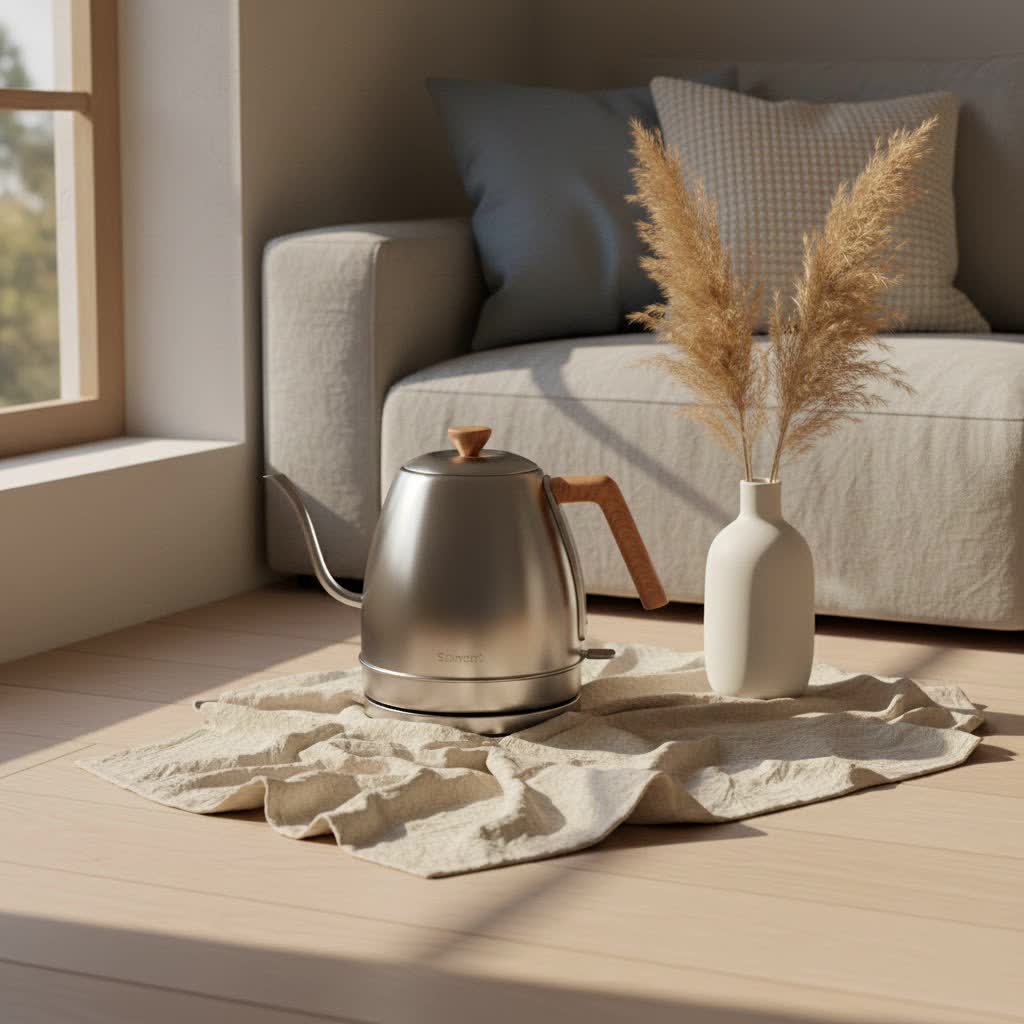
Advantages and Disadvantages of Electric Kettles with Temperature Control
Electric kettles with temperature control offer a significant upgrade over their basic counterparts, but like any appliance, they come with their own set of pros and cons.
Advantages
- Speed and Convenience: Modern electric kettles heat water remarkably fast, often quicker than stovetop methods. Many models include a “keep warm” function, maintaining your desired temperature for up to 60 minutes, perfect for multiple cups or tasks without reheating.
- Enhanced Flavor and Precision: Different beverages demand specific temperatures. Delicate green teas, for instance, can taste bitter if brewed with boiling water, while optimal coffee extraction requires a slightly lower heat. Temperature control eliminates guesswork, ensuring your tea leaves aren’t “burned” and your coffee grounds are perfectly saturated, unlocking the full flavor profile of your drink. This precision is also invaluable for preparing baby formula, which requires exact, safe temperatures.
- Safety Features: Most electric kettles with temperature control are equipped with essential safety features like automatic shut-off and boil-dry protection. These mechanisms power down the kettle once the water reaches its set temperature or if it runs out, preventing potential hazards and giving you peace of mind.
- Versatility: Beyond hot drinks, these kettles can swiftly provide water at various temperatures for instant noodles, oatmeal, or even for culinary tasks like dissolving sugar or softening rice noodles.
|
Our Picks for the Best Electric Kettle in 2026
As an Amazon Associate I earn from qualifying purchases.
|
||
| Num | Product | Action |
|---|---|---|
| 1 | Cosori Electric Kettle, No Plastic Contact With Water, Wide Mouth For Easy Cleaning, Auto Shut Off, 1.7L Tea Kettle & Hot Water Boiler, Water Heater & Teapot, Borosilicate Glass, Black, 1500W |

|
| 2 | Amazon Basics Electric Stainless Steel Kettle for Tea and Coffee, BPA-Free, Fast Boiling, Auto Shut-Off, 1.7 Liter, 1500W, Black and Silver |
|
| 3 | Amazon Basics Electric Kettle with Glass Carafe for Tea and Coffee, BPA-Free, Fast Boiling, Auto Shut-Off, 1 Liter, 1500W, Glass and Steel |
|
| 4 | Amazon Basics Electric Kettle with Glass Carafe for Tea and Coffee, BPA-Free, Fast Boiling, Auto Shut-Off, 1.7 Liter, 1500W, Black and Silver |
|
| 5 | COSORI Electric Gooseneck Kettle with 5 Temperature Control Presets, Pour Over Kettle for Coffee & Tea, Hot Water Boiler, 100% Stainless Steel Inner Lid & Bottom, 1200W/0.8L |
|
| 6 | Chefman Electric Kettle, 1.8L 1500W, Hot Water Boiler, Removable Lid for Easy Cleaning, Auto Shut Off, Boil-Dry Protection, Stainless Steel Filter, BPA Free, Borosilicate Glass Electric Tea Kettle |
|
| 7 | Titanium Glass Electric Tea Kettle & Water Boiler - Dual Removable Tea Infusers, Steam Extraction, Aroma Lock ,11 Temp Settings, 12H Keep Warm, Boil Dry Protection, 1.2L 600W 120V US, BPA-Free |
|
| 8 | OVENTE Electric Kettle, 1.7L Fast Boiling Water Heater for Coffee or Tea, BPA Free with Water Level Gauge, Auto Shut-Off, Boil-Dry Protection, Indicator Light and Removable Filter, White KP72W |
|
| 9 | Chefman Electric Kettle with Temperature Control, 5 Presets LED Indicator Lights, Removable Tea Infuser, Glass Tea Kettle & Hot Water Boiler, 360° Swivel Base, BPA Free, Stainless Steel, 1.8 Liters |
|
| 10 | Cuisinart PerfecTemp 1.7-Liter Electric Kettle, Cordless Electric Tea Kettle, 1500W for Fast Heat-Up, 6 Preset Temperatures, 30-Minute Keep Warm, Stay Cool Nonslip Handle, CPK-17P1 |
|
Disadvantages
- Energy Consumption: While often more efficient than electric stovetops, these kettles still consume electricity. However, by heating water only to the exact temperature needed, they can be more energy-efficient than repeatedly boiling water to 212°F (100°C).
- Potential Noise: Some models, particularly budget-friendly options, might produce noticeable noise during operation. Reviews sometimes highlight this as a minor drawback, though premium models often prioritize quieter performance.
- Higher Initial Cost: Electric kettles with advanced temperature control features generally come with a higher price tag than simple “boil-only” kettles. However, the investment often pays off in convenience, safety, and superior beverage quality.
- Complexity: While most designs aim for intuitive controls, some users might find the array of buttons, presets, or digital displays slightly more complex compared to a single on/off switch.
Classification of Electric Kettles with Temperature Control
Electric kettles with temperature control come in a variety of styles, materials, and with diverse functions, catering to every preference and kitchen aesthetic.
By Material
The material of an electric kettle impacts its durability, heat retention, and visual appeal.
- Stainless Steel Kettles: Known for their robustness and sleek, modern appearance, stainless steel kettles are highly durable and offer excellent heat retention. Many feature double-walled construction, keeping the exterior cool to the touch even when the water inside is piping hot. Brands like Zwilling often use high-quality stainless steel for their core models.
- Glass Kettles: These kettles offer a visually appealing experience, allowing you to watch the water boil. Made with borosilicate glass, they are resistant to thermal shock. While beautiful, some glass models may not retain heat as effectively as insulated stainless steel, and they are generally more fragile. OXO Brew offers popular glass options with precise temperature control.
- Plastic Kettles: Typically the most affordable and lightweight option, plastic kettles are widely available. When choosing a plastic model, it’s crucial to ensure it is BPA-free to avoid any potential chemical leaching into your water. These are often considered for their practicality over premium aesthetics.
- Ceramic Kettles: Valued for their aesthetic appeal and traditional look, ceramic kettles often come in unique designs and colors. They are generally heavier and can be more prone to chipping or breaking than stainless steel or plastic. While some ceramic options exist, they are less common in the advanced temperature-controlled segment.
By Capacity
Selecting the right capacity ensures you have enough hot water without unnecessary waits or refills.
- Mini Kettles (Under 1 liter): Ideal for single users, small living spaces, or travel, these compact kettles efficiently heat just enough water for one or two cups. Models like the Fellow Stagg EKG (0.9 liters) and Cosori Gooseneck (0.8 liters) fit this category, often designed for specialized brewing.
- Medium Kettles (1-1.7 liters): This is the most common range, suitable for most households. They provide ample water for several mugs of tea or coffee, instant meals, or small cooking tasks. The Breville Smart Kettle Luxe (1.7 liters) and Zwilling Enfinigy (1.5 liters) are examples of popular kettles in this size.
- Large Kettles (Over 1.7 liters): For larger families, frequent entertaining, or extensive cooking needs, larger capacity kettles minimize the need for multiple heating cycles.
By Function
Beyond basic boiling, temperature control kettles offer specialized functions to enhance usability.
- Standard Temperature Control Kettles: These models typically feature preset temperature buttons (e.g., for green tea, black tea, coffee) or a dial to select a precise temperature, often with a “keep warm” function that holds the temperature for a set period, commonly 30-60 minutes.
- Gooseneck Kettles: Distinguished by their long, slender spouts, gooseneck kettles provide exceptional control over the water flow, making them indispensable for pour-over coffee and precise tea steeping. The Fellow Stagg EKG Pro is a prime example, offering to-the-degree temperature control and a built-in brew stopwatch for enthusiasts.
- Smart Kettles: A growing category, smart kettles can connect to smartphone apps, allowing for remote operation, scheduling, and customized temperature profiles. While not as common as other types, they offer ultimate convenience for tech-savvy users.
Comparison Table of Electric Kettle Materials
Understanding the trade-offs between different materials can help you make an informed decision based on your priorities.
| Feature | Stainless Steel | Glass | Plastic | Ceramic |
|---|---|---|---|---|
| Durability | High | Medium (borosilicate glass resists shock) | Low to Medium | Medium (can chip or break) |
| Safety | High (many feature cool-touch exteriors) | High | Varies (BPA-free is crucial) | High |
| Aesthetics | Modern, industrial, sleek | Elegant, transparent, allows visibility | Basic, practical, utilitarian | Traditional, decorative, unique designs |
| Price | Medium to High | Medium | Low | High |
Guide to Choosing Your Ideal Electric Kettle with Temperature Control
Selecting the perfect electric kettle involves weighing your needs against the available features.
Determine Your Usage Needs
Start by considering how you’ll primarily use the kettle.
- Dung tích phù hợp (Appropriate Capacity): How many people will use the kettle? Do you frequently host guests? A 1.7-liter kettle is standard for most families, while a 0.8-liter gooseneck might be perfect for a solo pour-over enthusiast.
- Chất liệu an toàn (Safe Material): Do you prefer the durability of stainless steel, the visual appeal of glass, or the affordability of BPA-free plastic? Each material offers distinct advantages.
- Chức năng cần thiết (Necessary Functions): Do you need specific temperature presets, a “keep warm” function, or a precise gooseneck spout for specialized brewing? Features like a digital display and customizable temperature increments can greatly enhance your experience.
Research Reputable Brands
Many manufacturers produce high-quality electric kettles with temperature control. While traditional brands like Philips, Panasonic, and Electrolux offer reliable options, also consider specialists known for innovation in this space:
- Breville: Often lauded for smart features and rapid boiling.
- Fellow: Popular for their stylish gooseneck kettles, favored by coffee connoisseurs.
- OXO Brew: Known for user-friendly designs and accurate temperature control.
- Zwilling: Offers elegant, high-performance kettles with excellent heat retention.
- Cuisinart: Provides a range of reliable models, often with good value.
- Cosori: A strong contender, especially for budget-friendly gooseneck options.
Compare Prices and User Reviews
Before making a purchase, it’s wise to:
- Tham khảo các trang web bán hàng trực tuyến (Consult online retail websites): Check major retailers for price comparisons and special offers.
- Đọc các bài đánh giá sản phẩm (Read product reviews): User reviews and professional tests (like those from CNET or Food & Wine) provide invaluable insights into real-world performance, durability, and any potential drawbacks. Pay attention to comments on temperature accuracy, boil time, and ease of cleaning.
Important Considerations When Using Your Electric Kettle
To ensure longevity and optimal performance from your electric kettle, follow these simple guidelines.
- Fill with the Right Amount: Always ensure you fill the kettle with enough water, but never above the maximum fill line, to prevent boiling over. Conversely, do not underfill the kettle, as this can activate boil-dry protection or damage the heating element.
- Regular Cleaning: Limescale buildup, caused by mineral deposits from tap water, is a common issue for any water-boiling appliance. While some kettles come with removable filters, regular descaling is necessary.
- Avoid Harsh Cleaners: For general cleaning, a soft cloth and mild soap are sufficient for the exterior. For the interior, especially for limescale, gentle, natural solutions are best.
- Proper Storage: Store your kettle in a dry place. Ensure the base is always kept away from water to protect the electrical components.
- Use Only Water: Unless explicitly stated by the manufacturer, avoid heating anything other than plain water in your kettle. Brewing tea or coffee directly in the kettle can leave permanent stains and flavors, while sugary liquids can burn and become nearly impossible to clean.
Top Electric Kettles with Temperature Control
Here are some highly-rated and popular models known for their performance and features:
- Zwilling Enfinigy Electric Kettle Pro: Praised for its elegant design, robust stainless steel construction with cool-touch exterior, and effective “keep warm” function. It offers precise temperature control and six preset programs, making it an excellent all-around choice.
- Breville Smart Kettle Luxe: A top-tier option featuring rapid boiling, accurate temperature readings, and a variety of preset temperature settings tailored for different teas and coffees. Its soft-opening lid enhances safety and user comfort.
- Fellow Stagg EKG Pro Electric Gooseneck Kettle: The go-to for pour-over coffee aficionados, this kettle offers unparalleled precision in pouring and to-the-degree temperature control (135°F to 212°F). Its sleek design and integrated “brew stopwatch” make it a favorite for manual brewing.
- OXO Brew Adjustable Temperature Kettle: A popular glass kettle, known for its large 1.75-liter capacity and accurate temperature settings ranging from 175°F to 212°F. It also features a reliable “hold temperature” function, making it versatile for various hot beverages.
- Beautiful by Drew Barrymore Programmable Temperature Kettle: A stylish and affordable option that doesn’t compromise on features. It offers several preset temperatures for different teas and coffee, a generous 60-minute “keep warm” mode, and fast boiling times, all housed in an attractive, double-walled stainless steel design.
“The ability to dial in the exact temperature for your specific tea or coffee isn’t just a luxury; it’s a fundamental aspect of unlocking their true aromatic potential.” – Admin, reviewkdmc.com, Expert Electric Kettle Reviewer
Conclusion
An electric kettle with temperature control is more than just a kitchen gadget; it’s an essential tool for anyone serious about their hot beverages. From the delicate nuances of green tea to the rich complexity of French press coffee, precision temperature control ensures optimal extraction and flavor in every cup. With a wide array of materials, capacities, and advanced functions available, there’s a perfect model out there to fit every need and budget. By considering your preferences for material, capacity, and desired features, you can confidently choose an appliance that brings efficiency, safety, and gourmet quality to your daily routine.
Ready to transform your brewing experience? Which precise temperature will you dial in first for your next perfect cup?
Frequently Asked Questions
Why should I choose an electric kettle with temperature control?
An electric kettle with temperature control allows you to heat water to specific temperatures, which is crucial for brewing different types of tea, coffee, and even preparing baby formula correctly. This precision enhances flavor by preventing delicate teas from burning and ensures optimal extraction for coffee, leading to a consistently better-tasting beverage experience compared to simply boiling water.
What are the optimal temperatures for different types of tea and coffee?
Ideal temperatures vary: green and white teas typically require cooler water, around 165-175°F (74-79°C). Oolong tea is best at about 195°F (91°C), while French press coffee benefits from water around 200°F (93°C). Black and herbal teas, along with instant coffee, generally prefer hotter water, around 205-212°F (96-100°C).
Are temperature control kettles energy efficient?
Yes, electric kettles are generally more energy-efficient than stovetop kettles. Temperature control features further enhance this efficiency by allowing you to heat water only to the precise temperature needed, rather than always boiling it to 212°F (100°C) and then waiting for it to cool, thus saving energy and time.
How do I clean limescale from my electric kettle?
To remove limescale, fill your kettle halfway with water and the rest with white vinegar. Bring the mixture to a boil, then let it sit for about 20 minutes to dissolve the deposits. Afterward, pour out the solution, rinse the kettle thoroughly several times with fresh water to eliminate any vinegar residue, and it will be ready for use.
Can I boil milk or other liquids in my electric kettle?
It is strongly advised to only boil plain water in your electric kettle unless the manufacturer explicitly states otherwise. Boiling milk, soup, or other liquids can leave behind residues that are difficult to clean, potentially damage the heating element, and may alter the taste of subsequent batches of water.
