Are you tired of waiting for water to boil on the stovetop, or concerned about the safety of traditional methods? An electric kettle is a modern kitchen essential designed to bring convenience and efficiency to your daily routine. From your morning coffee to a soothing evening tea, these versatile appliances offer a rapid and safe solution for hot water needs. This comprehensive guide will navigate you through the world of electric kettles, helping you understand their features, benefits, and how to select the ideal model to perfectly match your lifestyle and kitchen.
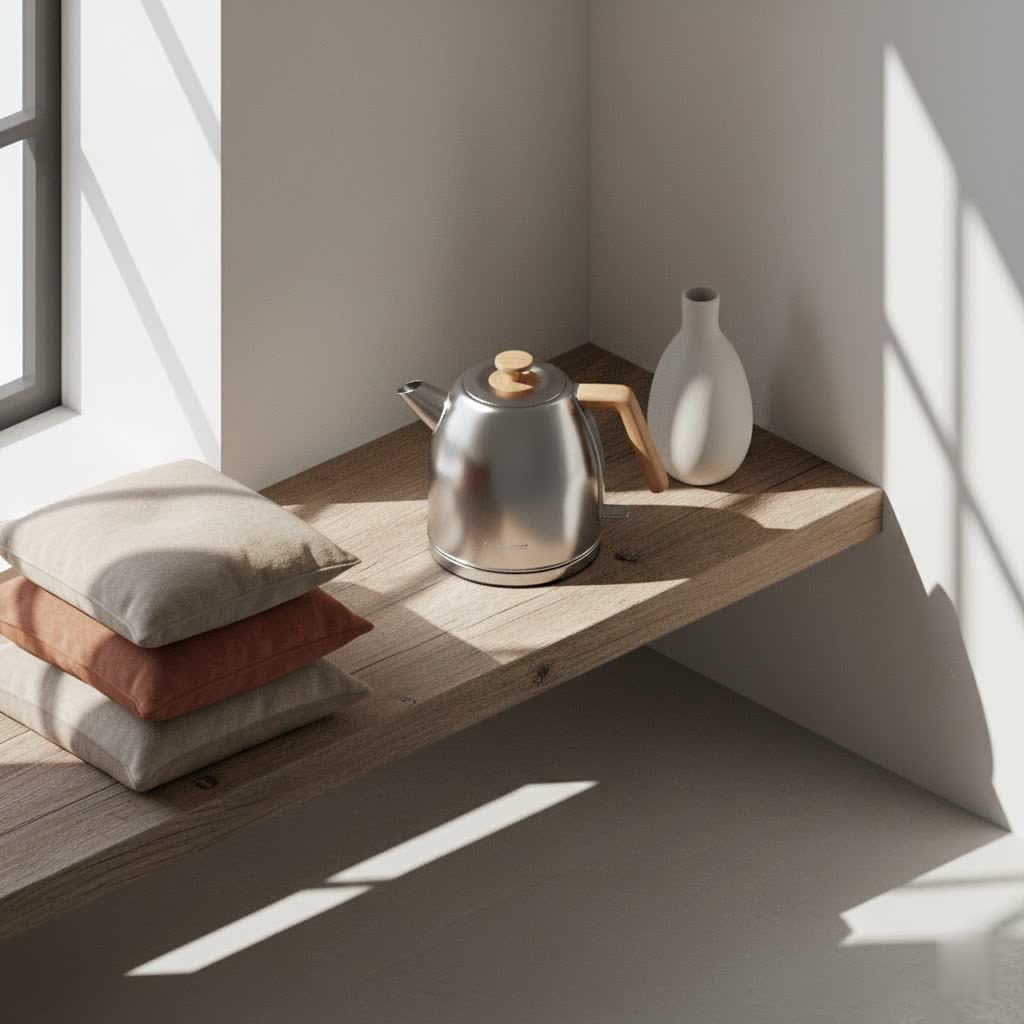
Advantages and Disadvantages of Electric Kettles
Electric kettles have become indispensable in many kitchens, lauded for their efficiency and user-friendliness. Understanding their pros and cons can help you decide if an electric kettle is the right addition to your home.
Advantages
|
Our Picks for the Best Electric Kettle in 2026
As an Amazon Associate I earn from qualifying purchases.
|
||
| Num | Product | Action |
|---|---|---|
| 1 | Amazon Basics Electric Kettle with Glass Carafe for Tea and Coffee, BPA-Free, Fast Boiling, Auto Shut-Off, 1.7 Liter, 1500W, Black and Silver |

|
| 2 | Cuisinart PerfecTemp 1.7-Liter Electric Kettle, Cordless Electric Tea Kettle, 1500W for Fast Heat-Up, 6 Preset Temperatures, 30-Minute Keep Warm, Stay Cool Nonslip Handle, CPK-17P1 |
|
| 3 | Cosori Electric Kettle, No Plastic Contact With Water, Wide Mouth For Easy Cleaning, Auto Shut Off, 1.7L Tea Kettle & Hot Water Boiler, Water Heater & Teapot, Borosilicate Glass, Black, 1500W |
|
| 4 | Titanium Glass Electric Tea Kettle & Water Boiler - Dual Removable Tea Infusers, Steam Extraction, Aroma Lock ,11 Temp Settings, 12H Keep Warm, Boil Dry Protection, 1.2L 600W 120V US, BPA-Free |
|
| 5 | Chefman Electric Kettle, 1.8L 1500W, Hot Water Boiler, Removable Lid for Easy Cleaning, Auto Shut Off, Boil-Dry Protection, Stainless Steel Filter, BPA Free, Borosilicate Glass Electric Tea Kettle |
|
| 6 | Chefman Electric Kettle with Temperature Control, 5 Presets LED Indicator Lights, Removable Tea Infuser, Glass Tea Kettle & Hot Water Boiler, 360° Swivel Base, BPA Free, Stainless Steel, 1.8 Liters |
|
| 7 | OVENTE Electric Kettle, 1.7L Fast Boiling Water Heater for Coffee or Tea, BPA Free with Water Level Gauge, Auto Shut-Off, Boil-Dry Protection, Indicator Light and Removable Filter, White KP72W |
|
| 8 | Amazon Basics Electric Kettle with Glass Carafe for Tea and Coffee, BPA-Free, Fast Boiling, Auto Shut-Off, 1 Liter, 1500W, Glass and Steel |
|
| 9 | Amazon Basics Electric Stainless Steel Kettle for Tea and Coffee, BPA-Free, Fast Boiling, Auto Shut-Off, 1.7 Liter, 1500W, Black and Silver |
|
| 10 | COSORI Electric Gooseneck Kettle with 5 Temperature Control Presets, Pour Over Kettle for Coffee & Tea, Hot Water Boiler, 100% Stainless Steel Inner Lid & Bottom, 1200W/0.8L |
|
Electric kettles are a game-changer for speed and ease. They heat water significantly faster than stovetop kettles, making them ideal for busy mornings or when you need hot water instantly. Their integrated heating elements and automatic shut-off features make them inherently safer, preventing over-boiling or accidental dry boiling. The market offers a vast array of designs, materials, and specialized functions, ensuring there’s a kettle to suit every aesthetic and practical need. Furthermore, many modern designs feature concealed heating elements and wide openings, simplifying the cleaning process.
Disadvantages
Despite their many benefits, electric kettles do have some drawbacks. They consume electricity, which can be a consideration for energy-conscious users, though many are designed for energy efficiency. Some models, especially those with powerful heating elements, can generate noticeable noise during the boiling process. While many affordable options exist, high-end electric kettles with advanced features like precise temperature control can have a steeper price tag. Lower-quality plastic models might also impart an undesirable plastic taste or odor to the water.
Classification of Electric Kettles
Electric kettles come in a variety of types, each distinguished by its construction material, capacity, and specialized functions. Knowing these classifications will help you narrow down your choices.
By Material
The material of an electric kettle significantly impacts its durability, aesthetics, and user experience.
- Stainless Steel Kettles: Known for their robust durability and sleek, modern appearance, stainless steel kettles are a popular choice. They are rust-resistant and excel at retaining heat, though double-walled designs are best for keeping the exterior cool.
- Glass Kettles: Offering an elegant visual appeal, glass kettles allow you to watch the water come to a boil. They are lauded for not leaching chemicals into the water, ensuring pure taste, but require careful handling due to their fragility.
- Plastic Kettles: These kettles are typically the most affordable and lightweight, making them convenient for travel. However, it’s crucial to choose models made from high-quality, BPA-free plastic to avoid potential taste issues or concerns about microplastic particles.
- Ceramic Kettles: Often chosen for their decorative designs and ability to complement kitchen decor, ceramic kettles are generally heavier and, like glass, can be more susceptible to breakage. They tend to have a more traditional aesthetic and may lack advanced features.
By Capacity
Electric kettles are available in various sizes to accommodate different needs, from a single cup to enough for a family.
- Mini Kettles (Under 1 Liter): These compact kettles, typically 0.5 to 0.7 liters, are perfect for individuals, travelers, or those with limited counter space. They are energy-efficient for small quantities.
- Medium Kettles (1-1.7 Liters): The most common size, these kettles are versatile enough for couples or small families, capable of boiling sufficient water for several drinks or cooking tasks. A 1.7-liter capacity is a standard option.
- Large Kettles (Over 1.7 Liters): Designed for larger households or entertaining, these kettles, sometimes reaching 2 liters, can quickly provide substantial amounts of hot water.
By Function
Beyond basic boiling, many electric kettles offer advanced functionalities that enhance convenience and precision.
- Standard Boiling Kettles: These are straightforward models that simply boil water to 212°F (100°C) with the flip of a switch and often feature automatic shut-off.
- Kettles with Keep-Warm Function: Ideal for those who need hot water over an extended period, these kettles can maintain a specific temperature for several minutes after boiling.
- Kettles with Temperature Control: A favorite among tea and coffee aficionados, these kettles allow you to select precise temperatures, often with presets for different beverage types (e.g., green tea, black tea, French press coffee), optimizing flavor.
- Smart Kettles: Representing the cutting edge, smart kettles can sometimes be controlled via smartphone apps, offer scheduling, and integrate with smart home systems, providing ultimate convenience.
- Gooseneck Kettles: Featuring a long, slender spout, gooseneck kettles provide exceptional pouring control, making them essential for pour-over coffee or specific tea brewing methods.
Comparison Table: Electric Kettle Materials
Choosing the right material is a key decision. This table provides a quick comparison of the most common electric kettle materials.
| Feature | Stainless Steel | Glass | Plastic | Ceramic |
|---|---|---|---|---|
| Durability | High | Medium | Low to Medium | Medium |
| Safety | High | High | Variable (BPA-free) | High |
| Aesthetics | Modern, Sleek | Elegant, Clear | Functional | Decorative, Artistic |
| Price | Medium | Medium | Low | High |
How to Choose the Best Electric Kettle
Selecting the perfect electric kettle involves evaluating your specific needs against the features available. A well-chosen kettle can significantly improve your daily routine.
Determine Your Usage Needs
First, consider how you’ll primarily use the kettle. For daily family use, a 1.7-liter stainless steel or glass model might be ideal. If you’re a tea connoisseur, precise temperature control is a must. Travelers will prioritize mini, lightweight plastic kettles. Always check that the material is safe, such as food-grade stainless steel or BPA-free plastic, to ensure your water remains pure.
Research Reputable Brands
Investing in a kettle from a well-known brand often guarantees quality, reliability, and customer support. Look for brands frequently praised for their performance and safety. Some globally recognized brands include Breville, OXO, Fellow, Cuisinart, Zwilling, Philips, Panasonic, and Electrolux. These companies typically offer innovative features and durable construction.
Compare Prices and User Reviews
Before making a final decision, consult various online retailers and consumer review sites. Compare models based on features, price points, and what current users say about their performance and longevity. Real-world feedback can provide valuable insights into aspects like boiling speed, noise levels, and overall satisfaction.
Important Tips for Using Electric Kettles
Proper usage and maintenance are crucial for the longevity and safe operation of your electric kettle.
- Fill with Adequate Water: Always ensure the kettle is filled between the minimum and maximum water level marks. Overfilling can lead to boiling water spilling, while boiling an empty kettle can damage the heating element, even if it has boil-dry protection.
- Regular Cleaning: To prevent limescale buildup, especially in hard water areas, clean your kettle regularly. A simple descaling solution of water and vinegar or lemon juice can work wonders. For the exterior, simply wipe with a damp cloth; avoid submerging the entire unit in water.
- Avoid Harsh Cleaners: Do not use abrasive scouring pads or strong chemical detergents, as these can damage the kettle’s interior or exterior finish.
- Store Properly: When not in use, ensure the kettle is unplugged and stored in a dry, safe place, away from other heat sources and out of reach of children and pets. Keep the cord neatly tucked away to prevent tripping hazards.
- Boil Only Water: Electric kettles are designed for boiling water. Never attempt to heat other liquids like milk, soup, or oil, as this can cause damage, spills, or safety hazards.
- Ensure Lid is Closed: Always ensure the lid is securely closed before operating the kettle to prevent steam burns and ensure efficient boiling.
Top Electric Kettle Models for Your Kitchen
The market is brimming with excellent electric kettles, each offering unique strengths. Here are a few top-rated models that consistently receive high praise:
- Breville Smart Kettle Luxe: Renowned for its variable temperature control and rapid boil times, this kettle is highly accurate and features helpful presets, making it a favorite for diverse beverage preparation.
- OXO Brew Adjustable Temperature Kettle: A versatile option, this kettle offers precise temperature settings and often comes in both stainless steel and glass designs, providing excellent value for its features.
- Fellow Stagg EKG Electric Gooseneck Kettle: A cult favorite for pour-over coffee enthusiasts, this elegant gooseneck kettle offers unmatched precision in temperature control and pouring, though it comes at a premium price.
- Zwilling Enfinigy Electric Kettle Pro: Combining sleek design with high performance, this kettle boasts programmed temperature settings, a cool-touch exterior, and a generous capacity, making it both stylish and highly efficient.
- Cuisinart 1.7-Liter Stainless Steel Cordless Electric Kettle: A robust and reliable choice, this kettle offers multiple preset temperatures and a convenient keep-warm function, all housed in a durable stainless steel body.
Conclusion
An electric kettle is more than just an appliance; it’s a gateway to quicker, safer, and more enjoyable hot beverages and culinary tasks. By carefully considering factors like material, capacity, advanced functions, and brand reputation, you can confidently choose a model that perfectly integrates into your lifestyle. Whether you prioritize rapid boiling, precise temperature control, or elegant design, there’s an electric kettle tailored to your needs. What essential feature will elevate your hot water experience?
Frequently Asked Questions
What is the fastest boiling electric kettle?
The fastest boiling electric kettles typically have a wattage of 1500W or higher. While specific models vary, high-wattage stainless steel kettles often offer the quickest boil times. Look for models explicitly advertised as “rapid boil” or “fast boil.”
Are plastic electric kettles safe to use?
High-quality plastic electric kettles made from BPA-free materials are generally considered safe for use. However, some users prefer glass or stainless steel options to entirely avoid any potential for plastic taste or concerns about microplastics.
How often should I clean my electric kettle?
It’s recommended to clean your electric kettle monthly, or more frequently if you live in an area with hard water and notice limescale buildup. Regular descaling and wiping the exterior will maintain its performance and appearance.
What is variable temperature control, and do I need it?
Variable temperature control allows you to heat water to specific temperatures, rather than just boiling. This feature is highly beneficial for brewing different types of tea (which require various temperatures) or preparing pour-over coffee, ensuring optimal flavor extraction.
How much electricity does an electric kettle use compared to a stovetop kettle?
Electric kettles are generally more energy-efficient than stovetop kettles for boiling water because they heat water directly and lose less heat to the surroundings. While wattage is higher, the shorter boiling time often results in less overall energy consumption.
What is “boil-dry protection”?
Boil-dry protection is a safety feature that automatically switches off the electric kettle if it detects there is no water inside. This prevents damage to the heating element and reduces fire hazards, enhancing overall safety.
