Have you ever wondered why your favorite tea or coffee sometimes tastes exquisite, and other times, just… off? The secret often lies in the water temperature. For true beverage enthusiasts, a standard kettle that simply boils water isn’t enough. Enter the temperature control electric kettle, a game-changing appliance designed to elevate your daily brewing ritual and ensure every sip is perfect. With over a decade immersed in the world of electric kettles, from testing to repair, I understand the nuances that make a significant difference. This guide will walk you through everything you need to know to choose, use, and appreciate the precision of these modern kitchen marvels.
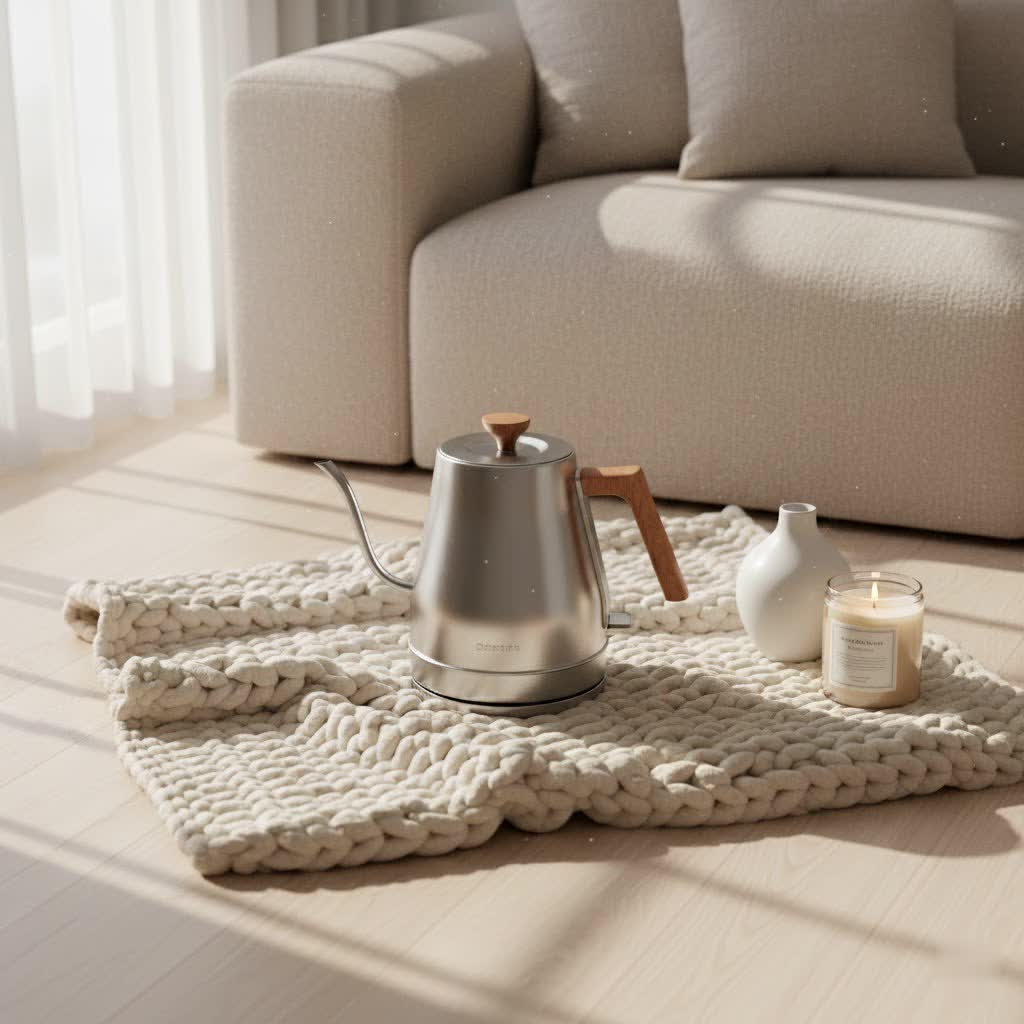
Advantages and Disadvantages of Electric Kettles with Temperature Control
Temperature control electric kettles offer a host of benefits that make them a superior choice for many, alongside a few considerations to keep in mind.
Advantages
- Speed and Convenience: These kettles heat water much faster than stovetop alternatives, often reaching desired temperatures in 2-4 minutes. They eliminate guesswork, allowing you to set the exact heat with a simple button press.
- Enhanced Safety: Equipped with crucial features like automatic shut-off and boil-dry protection, they prevent overheating and ensure the kettle turns off when water is hot or empty, significantly reducing accident risks.
- Versatility in Models and Functions: From sleek modern designs to retro aesthetics, and basic temperature presets to smart app-controlled options, the variety caters to every style and need.
- Effortless Cleaning: Many models are designed for easy maintenance, often featuring wide openings or removable lids, making descaling and general cleaning a straightforward task.
|
Our Picks for the Best Electric Kettle in 2026
As an Amazon Associate I earn from qualifying purchases.
|
||
| Num | Product | Action |
|---|---|---|
| 1 | OVENTE Electric Kettle, 1.7L Fast Boiling Water Heater for Coffee or Tea, BPA Free with Water Level Gauge, Auto Shut-Off, Boil-Dry Protection, Indicator Light and Removable Filter, White KP72W |

|
| 2 | Chefman Electric Kettle, 1.8L 1500W, Hot Water Boiler, Removable Lid for Easy Cleaning, Auto Shut Off, Boil-Dry Protection, Stainless Steel Filter, BPA Free, Borosilicate Glass Electric Tea Kettle |
|
| 3 | Chefman Electric Kettle with Temperature Control, 5 Presets LED Indicator Lights, Removable Tea Infuser, Glass Tea Kettle & Hot Water Boiler, 360° Swivel Base, BPA Free, Stainless Steel, 1.8 Liters |
|
| 4 | Titanium Glass Electric Tea Kettle & Water Boiler - Dual Removable Tea Infusers, Steam Extraction, Aroma Lock ,11 Temp Settings, 12H Keep Warm, Boil Dry Protection, 1.2L 600W 120V US, BPA-Free |
|
| 5 | Amazon Basics Electric Kettle with Glass Carafe for Tea and Coffee, BPA-Free, Fast Boiling, Auto Shut-Off, 1 Liter, 1500W, Glass and Steel |
|
| 6 | Cuisinart PerfecTemp 1.7-Liter Electric Kettle, Cordless Electric Tea Kettle, 1500W for Fast Heat-Up, 6 Preset Temperatures, 30-Minute Keep Warm, Stay Cool Nonslip Handle, CPK-17P1 |
|
| 7 | Amazon Basics Electric Kettle with Glass Carafe for Tea and Coffee, BPA-Free, Fast Boiling, Auto Shut-Off, 1.7 Liter, 1500W, Black and Silver |
|
| 8 | Amazon Basics Electric Stainless Steel Kettle for Tea and Coffee, BPA-Free, Fast Boiling, Auto Shut-Off, 1.7 Liter, 1500W, Black and Silver |
|
| 9 | COSORI Electric Gooseneck Kettle with 5 Temperature Control Presets, Pour Over Kettle for Coffee & Tea, Hot Water Boiler, 100% Stainless Steel Inner Lid & Bottom, 1200W/0.8L |
|
| 10 | Cosori Electric Kettle, No Plastic Contact With Water, Wide Mouth For Easy Cleaning, Auto Shut Off, 1.7L Tea Kettle & Hot Water Boiler, Water Heater & Teapot, Borosilicate Glass, Black, 1500W |
|
Disadvantages
- Power Consumption: While often more energy-efficient for precise heating than repeatedly boiling water in a stovetop kettle, they still contribute to household electricity use. Smart models, however, sometimes feature energy-saving modes.
- Potential Noise: Some models, particularly as they heat up, can produce noticeable operational noise. This varies greatly between brands and designs.
- Higher Initial Cost: Due to advanced technology and features, temperature control electric kettles generally have a higher upfront cost compared to basic electric or stovetop kettles.
Classifying Temperature Control Electric Kettles
Electric kettles with temperature control come in various types, categorized by their material, capacity, and specialized functions. Understanding these classifications helps in identifying the perfect fit for your lifestyle.
By Material
- Stainless Steel Kettles: Known for their durability and classic appearance, stainless steel kettles are a popular choice. They are robust and typically safe, retaining heat well.
- Glass Kettles: Featuring borosilicate glass, these kettles offer a visually appealing experience, allowing you to watch the water boil. They are generally considered safe as glass does not leach chemicals into water.
- Plastic Kettles: While more affordable, plastic kettles should be chosen carefully. Opt for models made with BPA-free plastics to ensure safety and avoid potential chemical leaching.
- Ceramic Kettles: These kettles often boast elegant designs and come in various colors and patterns, acting as a decorative element in the kitchen. They are generally safe and good at retaining heat.
By Capacity
- Mini Kettles (Under 1 Liter): Ideal for single users or travel, these compact kettles are perfect for heating just one or two servings.
- Medium Kettles (1-1.7 Liters): The most common size, suitable for individuals or small families, providing enough hot water for multiple cups of tea or coffee.
- Large Kettles (Over 1.7 Liters): Best for larger households, entertaining guests, or when frequently needing substantial amounts of hot water for cooking or multiple beverages.
By Function
- Standard Temperature Control Kettles: These allow you to select a specific temperature, often with preset options for different beverages.
- Keep-Warm Function Kettles: Many models include a “keep-warm” setting that maintains the water at your desired temperature for a certain period, usually 30-60 minutes, without reheating.
- Programmable Kettles with Timers: Advanced kettles allow you to schedule when the water should be heated, so you can wake up to perfectly hot water or have it ready when you arrive home.
- Smart Kettles: These can connect to Wi-Fi and be controlled via a smartphone app, offering remote operation, precise temperature adjustments, and scheduling from anywhere. Some even integrate with voice assistants.
Comparison Table of Electric Kettle Types
| Feature | Stainless Steel Kettle | Glass Kettle | Plastic Kettle | Ceramic Kettle |
|---|---|---|---|---|
| Durability | High | Medium | Low to Medium | Medium |
| Safety | High | High | Varies (BPA-free essential) | High |
| Aesthetics | Modern/Industrial | Elegant/Visual | Functional | Decorative/Classic |
| Heat Retention | Good | Moderate | Low | Good |
| Price | Medium | Medium to High | Low | High |
How to Choose a Temperature Control Electric Kettle
Selecting the right temperature control electric kettle involves considering your personal needs and preferences.
Determine Your Usage Needs
- Appropriate Capacity: Consider how much hot water you typically need. A 1L kettle might suffice for one person, while a 1.5L or larger model is better for families or frequent use.
- Safe Material: Prioritize stainless steel or borosilicate glass for durability and chemical-free heating. If opting for plastic, ensure it’s high-quality and BPA-free.
- Essential Functions: Think about what features are crucial for you. Do you need multiple preset temperatures, a keep-warm function, a precise gooseneck spout for pour-over coffee, or smart connectivity?
Research Reputable Brands
Brands like Philips, Panasonic, Electrolux, and Sunhouse (in certain markets) are known for producing reliable electric kettles. Other highly-regarded brands in the temperature control segment include Sage, Breville, Cuisinart, Smeg, Ninja, OXO, Fellow, Zwilling, and Cosori. These brands often offer good warranties and customer support.
Compare Prices and User Reviews
Before purchasing, always consult online retailers and read user reviews. This provides real-world insights into a kettle’s performance, durability, and user-friendliness. Comparing prices across different platforms can also help you find the best deal.
Important Considerations When Using Your Temperature Control Electric Kettle
To ensure longevity and optimal performance from your temperature control electric kettle, follow these simple guidelines:
- Fill with Enough Water: Always add water between the minimum and maximum fill lines. Overfilling can lead to spills and potential hazards, while underfilling can trigger boil-dry protection too early or damage the heating element.
- Regular Cleaning: Limescale and mineral deposits can build up over time, affecting performance and taste. Clean your kettle monthly using a vinegar or citric acid solution to remove these deposits.
- Avoid Harsh Cleaners: Do not use abrasive scouring pads or strong chemical detergents, as these can damage the kettle’s interior or exterior finish.
- Proper Storage: Store your kettle in a dry, safe place when not in use. Ensure the cord is neatly wrapped to prevent damage.
Top Popular Temperature Control Electric Kettle Models
Many excellent models stand out for their precision, features, and design.
- Cuisinart PerfecTemp Electric Kettle: Praised for its six preset temperatures for different teas and coffee, and its user-friendly interface.
- Sage the Smart Kettle (or Breville Smart Kettle Luxe in some regions): Often lauded for its intuitive controls, precise temperature selection, and robust build quality.
- Fellow Stagg EKG Pro Electric Gooseneck Kettle: A favorite among pour-over coffee enthusiasts for its exceptionally precise temperature control, sleek design, and controlled pour spout.
- Cosori Electric Gooseneck Kettle: A popular choice offering multiple preset temperatures and an excellent gooseneck spout at a competitive price point.
- Smeg KLF04 Temperature-Controlled Kettle: Combines iconic retro aesthetics with reliable performance and temperature control settings, perfect for style-conscious users.
“The ability to dial in the exact water temperature is not just a convenience; it’s the gateway to unlocking the full, nuanced flavors of your beverages. It truly transforms the everyday into an experience.”
Conclusion
A temperature control electric kettle is far more than just a heating appliance; it’s an intelligent kitchen companion that significantly enhances your hot beverage experience. By offering precise temperature selection, rapid heating, and essential safety features, these kettles cater to the discerning palate of tea and coffee aficionados, while also providing practical benefits for other uses like baby formula or instant meals. Investing in a high-quality temperature control electric kettle is a smart decision that promises consistent, flavorful results every time you brew. What will your next perfect cup be?
Frequently Asked Questions
Why is precise water temperature important for different beverages?
Different teas, coffees, and even baby formulas require specific water temperatures to extract optimal flavors or ensure safety. For instance, delicate green teas can become bitter if brewed with boiling water, while black teas need near-boiling water for full flavor extraction. Precise control prevents scorching delicate leaves or under-extracting robust blends.
How do I clean limescale from my temperature control electric kettle?
To remove limescale, fill your kettle halfway with equal parts water and white vinegar. Bring the mixture to a boil, then let it sit for 15-30 minutes. Pour out the solution, rinse thoroughly, and then boil clean water a few times to eliminate any lingering vinegar smell. Regular cleaning helps maintain efficiency and taste.
Are smart electric kettles worth the extra cost?
Smart electric kettles offer advanced features like app control, remote scheduling, and integration with smart home systems, providing unparalleled convenience. While they come at a higher price point, the ability to control your kettle from anywhere, schedule heating, or even use voice commands can be a valuable addition for tech-savvy users or those with busy lifestyles.
What materials are safest for an electric kettle?
Stainless steel and borosilicate glass are generally considered the safest materials for electric kettles. They are durable, resistant to corrosion, and do not leach chemicals into the water. If choosing a plastic kettle, ensure it is clearly marked as BPA-free to minimize potential health concerns.
Can I use a temperature control electric kettle for baby formula?
Yes, many parents find temperature control electric kettles incredibly useful for preparing baby formula. They allow you to heat water to the precise lukewarm temperature recommended for formula, ensuring it’s safe and comfortable for your baby without the guesswork or waiting for water to cool. Look for models that offer low-temperature settings, typically around 40-45°C (100-110°F).
