In our fast-paced lives, the need for quick, efficient, and safe boiling water is more crucial than ever. From your morning coffee or tea to instant meals, an electric kettle has become an indispensable kitchen appliance, transforming how we access hot water. But with a myriad of options on the market, finding the electric kettle for boiling water that perfectly suits your lifestyle can be a daunting task. This comprehensive guide will navigate you through everything you need to know, from understanding the core benefits to selecting the ideal model and ensuring its safe use, empowering you to make an informed decision and enhance your daily routine.
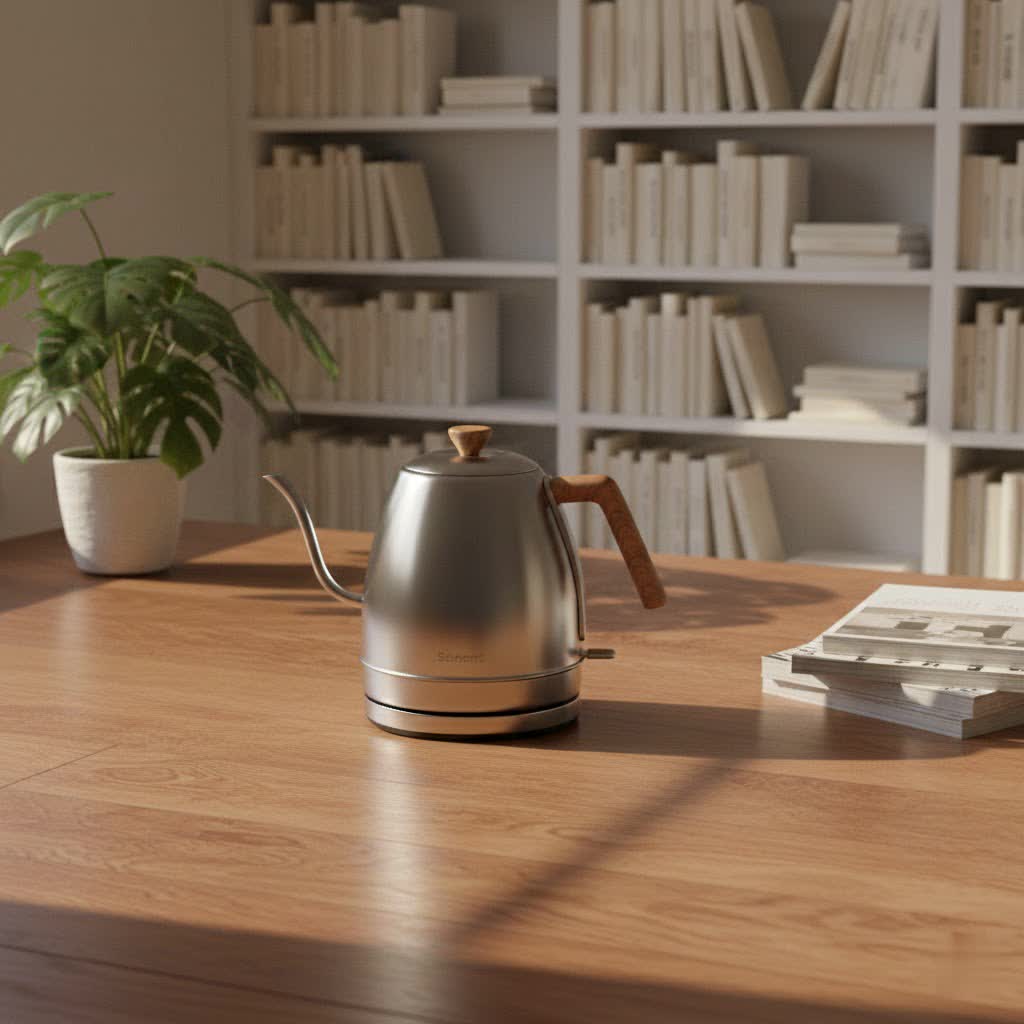
Advantages and Disadvantages of Electric Kettles
Electric kettles offer a blend of convenience, speed, and safety that often surpasses traditional stovetop methods. However, like any appliance, they come with their own set of considerations.
Advantages
|
Our Picks for the Best Electric Kettle in 2026
As an Amazon Associate I earn from qualifying purchases.
|
||
| Num | Product | Action |
|---|---|---|
| 1 | Amazon Basics Electric Kettle with Glass Carafe for Tea and Coffee, BPA-Free, Fast Boiling, Auto Shut-Off, 1 Liter, 1500W, Glass and Steel |

|
| 2 | Chefman Electric Kettle, 1.8L 1500W, Hot Water Boiler, Removable Lid for Easy Cleaning, Auto Shut Off, Boil-Dry Protection, Stainless Steel Filter, BPA Free, Borosilicate Glass Electric Tea Kettle |
|
| 3 | Cuisinart PerfecTemp 1.7-Liter Electric Kettle, Cordless Electric Tea Kettle, 1500W for Fast Heat-Up, 6 Preset Temperatures, 30-Minute Keep Warm, Stay Cool Nonslip Handle, CPK-17P1 |
|
| 4 | Amazon Basics Electric Stainless Steel Kettle for Tea and Coffee, BPA-Free, Fast Boiling, Auto Shut-Off, 1.7 Liter, 1500W, Black and Silver |
|
| 5 | Titanium Glass Electric Tea Kettle & Water Boiler - Dual Removable Tea Infusers, Steam Extraction, Aroma Lock ,11 Temp Settings, 12H Keep Warm, Boil Dry Protection, 1.2L 600W 120V US, BPA-Free |
|
| 6 | Amazon Basics Electric Kettle with Glass Carafe for Tea and Coffee, BPA-Free, Fast Boiling, Auto Shut-Off, 1.7 Liter, 1500W, Black and Silver |
|
| 7 | OVENTE Electric Kettle, 1.7L Fast Boiling Water Heater for Coffee or Tea, BPA Free with Water Level Gauge, Auto Shut-Off, Boil-Dry Protection, Indicator Light and Removable Filter, White KP72W |
|
| 8 | Cosori Electric Kettle, No Plastic Contact With Water, Wide Mouth For Easy Cleaning, Auto Shut Off, 1.7L Tea Kettle & Hot Water Boiler, Water Heater & Teapot, Borosilicate Glass, Black, 1500W |
|
| 9 | Chefman Electric Kettle with Temperature Control, 5 Presets LED Indicator Lights, Removable Tea Infuser, Glass Tea Kettle & Hot Water Boiler, 360° Swivel Base, BPA Free, Stainless Steel, 1.8 Liters |
|
| 10 | COSORI Electric Gooseneck Kettle with 5 Temperature Control Presets, Pour Over Kettle for Coffee & Tea, Hot Water Boiler, 100% Stainless Steel Inner Lid & Bottom, 1200W/0.8L |
|
Electric kettles are a powerhouse of practicality for any kitchen. They boast remarkable speed and convenience, typically boiling water faster than microwaves or stovetop kettles, making them perfect for busy mornings. Many models prioritize safety, featuring automatic shut-off and boil-dry protection mechanisms that prevent accidents and conserve energy. The market is rich with diverse designs and functions, from basic rapid-boil units to advanced models with precise temperature controls and keep-warm features, catering to every beverage enthusiast. Furthermore, most electric kettles are easy to clean, often with wide openings and concealed heating elements that simplify descaling and maintenance.
Disadvantages
Despite their many benefits, electric kettles do have some drawbacks. They consume electricity, and while often more energy-efficient than stovetop boiling, higher wattage models can impact your utility bill if used excessively. Some models, particularly those with powerful heating elements, can be noisy during the boiling process, which might be a consideration for quiet environments. Lastly, while many affordable options exist, high-end electric kettles with advanced features and premium materials can come with a higher price tag, requiring a larger initial investment.
Types of Electric Kettles
Electric kettles are categorized by their construction material, capacity, and advanced functionalities, each offering distinct advantages. Understanding these classifications is key to finding the best fit for your home.
By Material
The material of an electric kettle significantly impacts its durability, aesthetics, and user experience. Stainless steel kettles are celebrated for their robust construction, resistance to rust, and sleek, modern appearance, though their exterior can get hot. Glass kettles provide an elegant visual appeal, allowing you to watch the water boil, and do not impart any taste or odor; however, they are more fragile. Plastic kettles are typically the most affordable and lightweight, offering portability, but it’s crucial to choose BPA-free options to avoid potential chemical leaching. Ceramic kettles offer a classic, decorative look and excellent heat retention but tend to be heavier and more prone to breakage.
By Capacity
Matching the kettle’s capacity to your needs prevents unnecessary energy waste and frequent refilling. Mini kettles (under 1 liter) are ideal for individuals, dorm rooms, or travel, designed for single servings. Medium-sized kettles (1 to 1.7 liters) are the most popular choice for couples and small families, striking a balance between capacity and energy efficiency. Large kettles (over 1.7 liters) are best suited for larger households, entertaining guests, or office settings where substantial amounts of hot water are frequently needed.
By Function
Beyond basic boiling, many electric kettles come equipped with specialized functions. Standard electric kettles simply boil water to 212°F (100°C) and shut off. Kettles with a ‘keep warm’ function can maintain a set temperature for a period, perfect for multiple cups of tea or coffee. Programmable kettles with timer functions allow you to schedule boiling cycles, ensuring hot water is ready exactly when you need it. Smart electric kettles can connect to apps, offering remote control, customizable temperature settings, and even integration with smart home systems for ultimate convenience.
Comparison Table: Electric Kettle Materials
| Feature | Stainless Steel | Glass | Plastic | Ceramic |
|---|---|---|---|---|
| Durability | High | Medium (fragile) | Low to Medium | Medium (fragile) |
| Safety | High (no leaching) | High (no leaching) | Varies (BPA-free is key) | High (no leaching) |
| Aesthetics | Modern, sleek | Elegant, transparent | Functional, diverse colors | Traditional, decorative |
| Heat Retention | Good | Moderate | Moderate | Excellent |
| Price | Medium to High | Medium to High | Low | High |
How to Choose the Right Electric Kettle
Selecting the perfect electric kettle involves evaluating your individual needs against the available features and options.
Determine Your Usage Needs
Consider how and how often you’ll use your electric kettle. If you’re a solo user who only needs a quick cup, a compact 1-liter model might be sufficient and more energy-efficient. For families or those who host frequently, a larger 1.7-liter or 2-liter kettle will be more practical. Think about the beverages you typically prepare; if you enjoy specialty teas or pour-over coffee, a kettle with variable temperature control is a must to achieve optimal brewing temperatures. Lastly, decide on your preferred material—stainless steel for robustness, glass for visibility, or BPA-free plastic for budget-friendliness.
Research Reputable Brands
Investing in a kettle from a well-regarded brand often guarantees better quality, reliability, and customer support. Brands like OXO, Breville, Fellow, Cosori, Hamilton Beach, and Zwilling are frequently cited for their innovative designs, performance, and durability in various reviews and tests. These manufacturers often incorporate advanced safety features and user-friendly interfaces into their products, providing a better overall experience.
Compare Prices and User Reviews
Before making a final decision, always compare prices from different retailers to ensure you’re getting the best value. Crucially, read user reviews on e-commerce sites and independent review platforms. Real-world feedback provides invaluable insights into a kettle’s day-to-day performance, common issues, and how it holds up over time. Pay attention to comments regarding boil time, noise level, handle comfort, and long-term durability.
Tips for Using Your Electric Kettle Safely and Effectively
To maximize the lifespan of your electric kettle and ensure safe operation, follow these essential tips.
- Fill Appropriately: Always fill the kettle between the minimum and maximum fill lines. Overfilling can lead to boiling water splashing out, while underfilling can cause the kettle to boil dry, potentially damaging the heating element or triggering the automatic shut-off prematurely.
- Regular Cleaning: Limescale buildup, particularly in hard water areas, can affect performance and taste. Clean your kettle regularly by boiling a solution of water and vinegar or lemon juice, then rinsing thoroughly. For the exterior, simply wipe with a damp cloth. Avoid submerging the kettle base in water or allowing electrical components to get wet.
- Avoid Boiling Empty: Never switch on an empty electric kettle. Most modern kettles have boil-dry protection, but consistently running it empty can still reduce its lifespan and potentially pose a fire hazard if the safety mechanism fails.
- Do Not Store Water: After use, empty any remaining water from the kettle. Storing water can accelerate limescale accumulation and may affect the water’s taste over time.
- Unplug When Not in Use: For safety and energy conservation, always unplug your electric kettle from the power outlet when it’s not in use. This also prevents accidental activation.
- Handle with Care: While many kettles have cool-touch handles, the body of the kettle can become very hot. Always use the handle for pouring and be mindful of steam emanating from the spout or lid.
Top Recommended Electric Kettles
Based on performance, features, and user satisfaction, several electric kettles consistently stand out in the market.
- OXO Brew Adjustable Temperature Kettle: Known for its precise temperature control, user-friendly dial, and excellent heat retention, making it a favorite for pour-over coffee and specialty teas.
- Breville Smart Kettle Luxe: This premium kettle offers intuitive preset temperatures for various beverages, fast boiling, and a sturdy, elegant design, ideal for tea connoisseurs.
- Cosori Electric Gooseneck Kettle: A top choice for controlled pouring, crucial for pour-over coffee, often featuring customizable temperature settings and a compact footprint.
- Hamilton Beach 1.7L Illuminated Glass Kettle: A popular budget-friendly option, offering rapid boiling, an illuminated glass body for visibility, and essential safety features like auto-shutoff.
These models represent a range of price points and features, ensuring there’s a high-quality electric kettle to meet diverse preferences.
Conclusion
Choosing the right electric kettle for boiling water can significantly enhance your kitchen experience, bringing speed, convenience, and precision to your daily routine. By considering factors like material, capacity, advanced functions, and safety features, you can confidently select a model that aligns perfectly with your needs. Remember to prioritize reputable brands and always follow usage guidelines for safety and longevity. An electric kettle is more than just an appliance; it’s a small investment that delivers a world of hot beverage possibilities at your fingertips. What will you brew first with your ideal electric kettle?
Frequently Asked Questions
Is an electric kettle more energy-efficient than a stovetop kettle?
Yes, generally, electric kettles are more energy-efficient than stovetop kettles. They have enclosed heating elements that reduce heat loss, directing most of the energy directly into heating the water, leading to faster boiling times and less wasted energy.
Can I boil anything other than water in an electric kettle?
It is strongly advised against boiling anything other than water in an electric kettle. Boiling other liquids or food can lead to foaming, spills, damage to the heating element, residue buildup, and can void your warranty.
How do I descale my electric kettle?
To descale your electric kettle, fill it with equal parts water and white vinegar (or lemon juice). Bring the mixture to a boil, then let it sit for 15-30 minutes. Pour out the solution, then rinse the kettle thoroughly several times with fresh water to remove any lingering taste or odor.
Are plastic electric kettles safe to use?
Plastic electric kettles can be safe to use, especially if they are certified BPA-free. However, some users report a plastic taste in the water with lower-quality models. Stainless steel or glass kettles are generally preferred if you have concerns about plastic.
What is boil-dry protection?
Boil-dry protection is a safety feature that automatically switches off the electric kettle if it detects that there is no water inside or if the water has completely evaporated. This prevents damage to the heating element and reduces the risk of fire.
How long does an electric kettle typically last?
The lifespan of an electric kettle can vary greatly depending on its quality, material, frequency of use, and maintenance. On average, a good quality electric kettle can last anywhere from 2 to 5 years, with some lasting even longer with proper care.
