Waking up to the enticing aroma of freshly brewed coffee is a daily ritual for many. But what if your brewing experience could be even better, more precise, and effortlessly consistent? Enter the electric coffee kettle, a modern kitchen marvel that has transformed how enthusiasts prepare their favorite hot beverages. No longer just a simple water heater, today’s electric coffee kettles offer unparalleled control and convenience, making them indispensable for anyone serious about their coffee. This comprehensive guide will explore everything you need to know to choose, use, and maintain the perfect electric coffee kettle for your home.
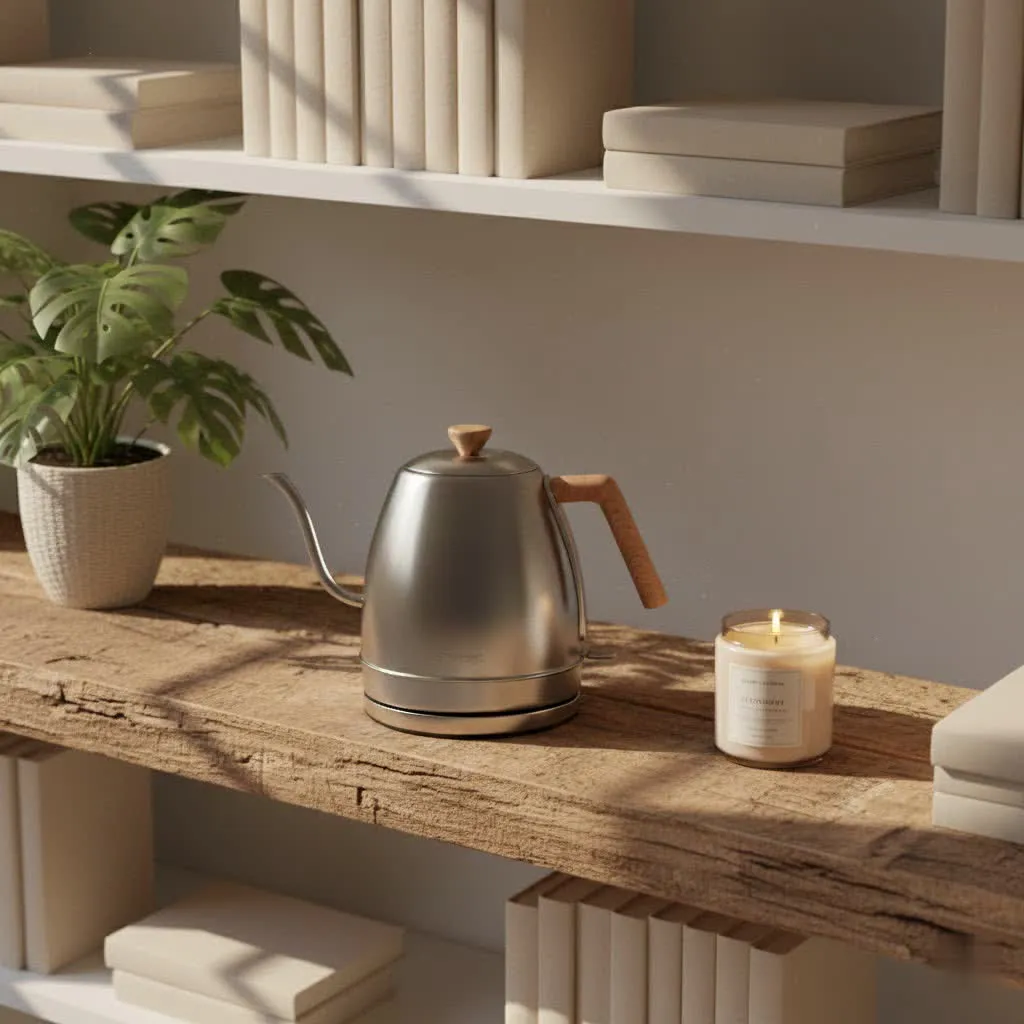
Advantages and Disadvantages of Electric Coffee Kettles
Like any appliance, electric coffee kettles come with their own set of perks and drawbacks. Understanding these can help you determine if one is the right fit for your daily brewing needs.
Advantages
- Rapid Heating and Efficiency: Electric coffee kettles heat water significantly faster than traditional stovetop models, especially on electric ranges. Their integrated heating elements and often insulated designs minimize heat loss, bringing water to temperature quickly and efficiently.
- Precise Temperature Control: This is perhaps the most crucial advantage for coffee lovers. Many electric coffee kettles allow you to select specific temperatures, often down to the degree, ensuring optimal extraction for various coffee beans and brewing methods like pour-over. This precision unlocks nuanced flavors and prevents the bitterness that can arise from overly hot water.
- Enhanced Safety Features: Equipped with automatic shut-off and boil-dry protection, electric coffee kettles offer a safer brewing experience. They switch off once the water reaches the set temperature or if the kettle runs dry, reducing the risk of accidents and conserving energy.
- Convenience and Ease of Use: With simple one-touch operations or intuitive digital controls, these kettles are remarkably user-friendly. Many are cordless, allowing for easy pouring, and some even feature “keep warm” functions to maintain water temperature for extended periods.
- Portability: Their self-contained heating allows you to use an electric coffee kettle anywhere with an outlet, making them perfect for coffee stations, offices, or even travel.
|
Our Picks for the Best Electric Kettle in 2026
As an Amazon Associate I earn from qualifying purchases.
|
||
| Num | Product | Action |
|---|---|---|
| 1 | Amazon Basics Electric Kettle with Glass Carafe for Tea and Coffee, BPA-Free, Fast Boiling, Auto Shut-Off, 1.7 Liter, 1500W, Black and Silver |

|
| 2 | Cosori Electric Kettle, No Plastic Contact With Water, Wide Mouth For Easy Cleaning, Auto Shut Off, 1.7L Tea Kettle & Hot Water Boiler, Water Heater & Teapot, Borosilicate Glass, Black, 1500W |
|
| 3 | Amazon Basics Electric Kettle with Glass Carafe for Tea and Coffee, BPA-Free, Fast Boiling, Auto Shut-Off, 1 Liter, 1500W, Glass and Steel |
|
| 4 | OVENTE Electric Kettle, 1.7L Fast Boiling Water Heater for Coffee or Tea, BPA Free with Water Level Gauge, Auto Shut-Off, Boil-Dry Protection, Indicator Light and Removable Filter, White KP72W |
|
| 5 | COSORI Electric Gooseneck Kettle with 5 Temperature Control Presets, Pour Over Kettle for Coffee & Tea, Hot Water Boiler, 100% Stainless Steel Inner Lid & Bottom, 1200W/0.8L |
|
| 6 | Amazon Basics Electric Stainless Steel Kettle for Tea and Coffee, BPA-Free, Fast Boiling, Auto Shut-Off, 1.7 Liter, 1500W, Black and Silver |
|
| 7 | Cuisinart PerfecTemp 1.7-Liter Electric Kettle, Cordless Electric Tea Kettle, 1500W for Fast Heat-Up, 6 Preset Temperatures, 30-Minute Keep Warm, Stay Cool Nonslip Handle, CPK-17P1 |
|
| 8 | Chefman Electric Kettle with Temperature Control, 5 Presets LED Indicator Lights, Removable Tea Infuser, Glass Tea Kettle & Hot Water Boiler, 360° Swivel Base, BPA Free, Stainless Steel, 1.8 Liters |
|
| 9 | Chefman Electric Kettle, 1.8L 1500W, Hot Water Boiler, Removable Lid for Easy Cleaning, Auto Shut Off, Boil-Dry Protection, Stainless Steel Filter, BPA Free, Borosilicate Glass Electric Tea Kettle |
|
| 10 | Titanium Glass Electric Tea Kettle & Water Boiler - Dual Removable Tea Infusers, Steam Extraction, Aroma Lock ,11 Temp Settings, 12H Keep Warm, Boil Dry Protection, 1.2L 600W 120V US, BPA-Free |
|
Disadvantages
- Initial Cost: High-quality electric coffee kettles, particularly those with advanced features like variable temperature control and gooseneck spouts, can be more expensive than basic stovetop models.
- Cleaning and Maintenance: While generally easy to clean, electric kettles require regular descaling to remove mineral buildup, especially in hard water areas. Care must be taken to avoid getting electrical components wet during cleaning.
- Durability of Electronics: Compared to a simple stovetop kettle, the electronic components in electric models can sometimes have a shorter lifespan, though many reputable brands offer robust and long-lasting products.
- Capacity Limitations: Some electric coffee kettles, especially gooseneck models designed for precise pour-over, may have smaller capacities, which could be a disadvantage for those needing to heat large volumes of water frequently.
- Potential for Noise: While many modern kettles are designed for quiet operation, some models, particularly during rapid boiling, can produce a noticeable amount of noise.
Types of Electric Coffee Kettles
Electric coffee kettles come in a variety of designs and functionalities, each catering to different preferences and brewing styles.
By Material
The material of your electric coffee kettle impacts its durability, heat retention, and aesthetic appeal.
- Stainless Steel Kettles: These are highly durable, resistant to rust, and offer a sleek, modern look. They heat water quickly and retain heat well. However, the exterior can get hot to the touch. Stainless steel is a popular choice for its longevity and clean taste.
- Glass Kettles: Offering a visually appealing experience, glass kettles allow you to watch the water boil. Made typically from borosilicate glass, they are easy to clean and do not impart any taste to the water. They are, however, more fragile than stainless steel and may not retain heat as effectively.
- Plastic Kettles: Often the most affordable and lightweight option, plastic kettles come in a wide range of colors and styles. When choosing a plastic model, it’s crucial to ensure it’s made from BPA-free materials to avoid potential chemical leaching into your hot water. Their durability can vary.
- Ceramic Kettles: While less common for dedicated electric coffee kettles, ceramic options offer a unique, traditional, and often artistic aesthetic. They tend to be heavier and more fragile but can retain heat very well.
By Capacity
The ideal capacity depends on how much hot water you typically need.
- Mini Kettles (Under 1 Liter): Perfect for individuals, students, or travelers who need hot water for a single cup of coffee or tea. They are compact and energy-efficient for light use.
- Medium Kettles (1-1.7 Liters): This is a versatile size suitable for couples or small families, offering a good balance between convenience and energy consumption. It can typically prepare enough hot water for 3-6 cups.
- Large Kettles (Over 1.7 Liters): Best for larger families, entertaining guests, or office settings where hot water is needed frequently throughout the day for multiple servings.
By Function
Beyond basic boiling, many electric coffee kettles offer specialized features to enhance your brewing.
- Standard Boil Kettles: These simply bring water to a rolling boil and automatically shut off. They are straightforward, often more budget-friendly, and suitable if precise temperature isn’t a primary concern.
- Variable Temperature Kettles: Essential for coffee connoisseurs, these kettles allow you to select a specific water temperature. Different coffee types and brewing methods benefit from particular temperatures for optimal extraction, making this feature a game-changer for flavor.
- Gooseneck Kettles: Distinguished by their long, slender, curved spouts, gooseneck electric coffee kettles provide exceptional pouring control. This precise flow rate is critical for pour-over coffee, allowing for even saturation of coffee grounds and a more consistent, flavorful brew. Many gooseneck models also include variable temperature control.
- Smart Electric Kettles: Integrating modern technology, these kettles can connect to mobile apps via Wi-Fi or Bluetooth, offering remote control, scheduling, and even voice activation through smart home assistants. They bring a new level of convenience and customization to your coffee routine.
Comparing Electric Coffee Kettle Types
| Feature | Stainless Steel | Glass | Plastic | Gooseneck |
|---|---|---|---|---|
| Durability | High | Medium (Fragile) | Low to Medium | High (often SS) |
| Safety | High | High | Varies (BPA-free) | High |
| Aesthetic | Modern, Sleek | Modern, Visible | Diverse, Casual | Professional, Modern |
| Price | Medium to High | Medium | Low | High |
| Precision Pouring | Standard (can be gooseneck) | Standard | Standard | Excellent |
Choosing the Perfect Electric Coffee Kettle
Selecting the right electric coffee kettle can significantly enhance your daily brewing ritual. Consider these factors to make an informed decision:
Determine Your Usage Needs
Before diving into models, think about how you’ll use your kettle. Are you primarily a pour-over coffee enthusiast who needs precise temperature and flow control? A gooseneck electric coffee kettle with variable temperature settings will be your best friend. If you just need hot water for French press or general use, a standard electric kettle with good capacity might suffice. Consider the number of people you’re brewing for – a larger capacity is great for families, while a compact kettle is ideal for a single user or travel.
Prioritize Key Features
- Temperature Control: For specialty coffee, this is non-negotiable. Look for models offering a wide temperature range and accurate settings.
- Gooseneck Spout: If pour-over coffee is your passion, a gooseneck spout is essential for controlled, even water distribution over the coffee grounds.
- Keep Warm Function: This feature maintains your desired water temperature for a certain period, allowing for multiple pours or delayed enjoyment without re-boiling.
- Speed and Wattage: Higher wattage generally means faster boiling times, which is a blessing on busy mornings.
- Safety: Automatic shut-off and boil-dry protection are standard but vital safety features to look for.
- Material: Choose between the durability and modern look of stainless steel, the visual appeal of glass, or the affordability of BPA-free plastic, based on your priorities.
Research Reputable Brands
Investing in an electric coffee kettle from a trusted manufacturer often guarantees better quality, performance, and customer support. Brands renowned for their electric coffee kettles include Fellow (especially for gooseneck pour-over), Breville, Cuisinart, OXO, and Cosori. While brands like Philips and Panasonic make excellent general electric kettles, those specifically tailored for coffee enthusiasts often come from specialized brands.
Compare Prices and Read User Reviews
Once you’ve narrowed down your feature set, compare prices across different retailers. Don’t forget to delve into user reviews. Real-world experiences can reveal insights into a kettle’s actual performance, durability, noise levels, and any quirks that might not be apparent from product specifications. Look for consistent feedback regarding temperature accuracy, pouring control (for gooseneck models), and ease of cleaning.
Tips for Using Your Electric Coffee Kettle
To get the most out of your electric coffee kettle and ensure its longevity, follow these practical tips:
- Fill Appropriately: Always fill the kettle between the minimum and maximum fill lines. Overfilling can lead to boiling water spilling out, while underfilling can cause the kettle to boil dry, potentially damaging the heating element.
- Regular Cleaning and Descaling: Mineral deposits (limescale) from water can build up inside your kettle over time, affecting performance and taste. Descale your kettle regularly, typically once a month, or more often if you have hard water. A simple solution of equal parts white vinegar and water, boiled and left to sit, works wonders. Rinse thoroughly afterward to remove any vinegar smell. For the exterior, wipe with a damp cloth and mild soap.
- Avoid Harsh Cleaners: Do not use abrasive cleaners or scouring pads on your kettle, as these can scratch the surface, especially on stainless steel or glass models.
- Ensure Proper Ventilation: When boiling, make sure the kettle has adequate space around it for steam to dissipate safely, especially if you have overhead cabinets.
- Store in a Dry Place: After use and cleaning, ensure your kettle is completely dry before storing it. Keep it away from humid environments to prevent any potential damage to electrical components.
Top Electric Coffee Kettles for Every Brewer
While specific models change with market trends, certain types of electric coffee kettles consistently receive high praise from coffee enthusiasts.
For the dedicated pour-over aficionado, a gooseneck electric kettle with precise temperature control is paramount. These models offer unparalleled control over the water flow, crucial for perfectly saturating coffee grounds and achieving an exquisite brew.
If versatility and speed are your priority for various hot beverages, including coffee, a variable temperature electric kettle with a broader spout might be ideal. These often boast rapid boil times and preset temperature options for different drink types.
For those who value convenience and technology, smart electric kettles, which integrate with your home’s smart ecosystem, provide remote control and scheduling features, ensuring hot water is ready exactly when you need it.
Conclusion
The electric coffee kettle has evolved into a sophisticated appliance, moving far beyond its simple function of boiling water. With advanced features like precise temperature control, specialized gooseneck spouts, and smart connectivity, it empowers coffee lovers to craft superior brews with consistency and ease. Whether you’re chasing the perfect pour-over or simply seeking a faster, safer way to heat water for your morning cup, an electric coffee kettle offers compelling benefits. By considering your needs, exploring the diverse types available, and following proper care guidelines, you can find a durable, efficient, and stylish addition to your kitchen that elevates every coffee experience. Ready to transform your brewing ritual? What specific feature are you most excited to experience in your new electric coffee kettle?
Frequently Asked Questions
Why is temperature control important for coffee?
Precise temperature control is crucial for coffee brewing because different coffee beans and roast levels extract best at specific water temperatures. Using water that’s too hot can over-extract the coffee, leading to a bitter taste, while water that’s too cool can result in under-extraction and a weak, sour flavor. An electric coffee kettle with variable temperature settings allows you to hit the sweet spot for a perfectly balanced and flavorful cup.
How often should I descale my electric coffee kettle?
The frequency of descaling depends on how often you use your electric coffee kettle and the hardness of your local water. As a general rule, aim to descale your kettle at least once a month. If you notice a visible buildup of white, chalky residue (limescale) or if your kettle seems to be taking longer to boil, it’s a clear sign that it’s time for a thorough descaling. Regular descaling helps maintain efficiency and preserves the taste of your coffee.
Can I use my electric coffee kettle for liquids other than water?
Most electric coffee kettles are designed specifically for heating water. Using them for other liquids like milk, tea, or soup can cause residue buildup, damage the heating element, or lead to overheating and safety hazards. It’s best to stick to water to ensure the longevity and safe operation of your electric coffee kettle and to maintain its primary function for coffee brewing.
