Stepping into the kitchen, a gentle hum begins, signaling the arrival of perfectly boiled water. But what if this daily ritual could also be a statement of style and a commitment to pure taste? Enter the ceramic electric kettle, an appliance that marries classic aesthetics with modern convenience. Far more than just a water boiler, a ceramic electric kettle offers a unique blend of visual appeal, heat retention, and a taste experience that sets it apart from its metallic and plastic counterparts.
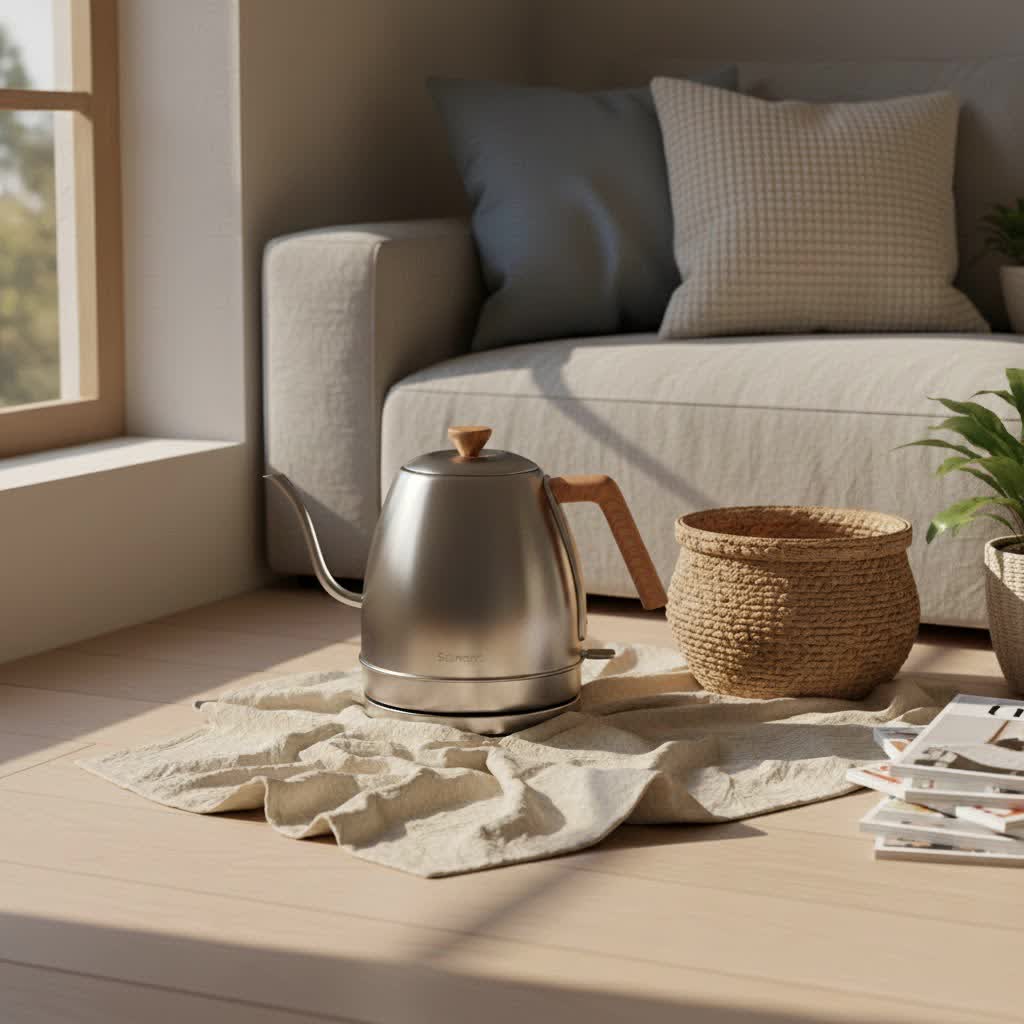
If you’re considering upgrading your kitchen with an appliance that is as beautiful as it is functional, understanding the nuances of ceramic electric kettles is essential. This guide will delve into everything you need to know, from their distinct advantages and disadvantages to how to choose and care for the perfect model that fits your lifestyle. Let’s explore why a ceramic electric kettle might just be the ideal choice for your home.
Advantages and Disadvantages of the Ceramic Electric Kettle
Choosing the right kitchen appliance often involves weighing its strengths against its weaknesses. Ceramic electric kettles come with a distinctive set of pros and cons that make them a unique option in the market.
Advantages
- Speed and Convenience: Like most electric kettles, ceramic models offer rapid boiling compared to stovetop methods. They typically feature cordless bases, automatic shut-off, and boil-dry protection, enhancing user convenience and safety.
- Aesthetic Appeal: This is often the primary draw. Ceramic kettles boast a classic, elegant, and often vintage or artistic look that can beautifully complement any kitchen decor. Their diverse patterns and colors add a touch of personality.
- Safe to Use (No Plastic Contact): A significant benefit for health-conscious users is that ceramic kettles generally minimize or eliminate plastic contact with boiling water. This reduces concerns about chemical leaching, such as BPA, into your hot beverages.
- Excellent Heat Retention: Ceramic is a natural insulator. The thick walls of a ceramic kettle help retain heat longer than many other materials, keeping your water warm for extended periods without needing to reboil.
- Pure Taste: Ceramic is a neutral material that doesn’t impart any metallic or plastic taste to the water, ensuring a pure and unaltered flavor for your tea, coffee, or other hot drinks.
- Easy to Clean (Interior): Without metallic surfaces, limescale build-up can be less noticeable, and the smooth ceramic interior is often easy to wipe clean.
|
Our Picks for the Best Electric Kettle in 2026
As an Amazon Associate I earn from qualifying purchases.
|
||
| Num | Product | Action |
|---|---|---|
| 1 | COSORI Electric Gooseneck Kettle with 5 Temperature Control Presets, Pour Over Kettle for Coffee & Tea, Hot Water Boiler, 100% Stainless Steel Inner Lid & Bottom, 1200W/0.8L |

|
| 2 | OVENTE Electric Kettle, 1.7L Fast Boiling Water Heater for Coffee or Tea, BPA Free with Water Level Gauge, Auto Shut-Off, Boil-Dry Protection, Indicator Light and Removable Filter, White KP72W |
|
| 3 | Cosori Electric Kettle, No Plastic Contact With Water, Wide Mouth For Easy Cleaning, Auto Shut Off, 1.7L Tea Kettle & Hot Water Boiler, Water Heater & Teapot, Borosilicate Glass, Black, 1500W |
|
| 4 | Amazon Basics Electric Kettle with Glass Carafe for Tea and Coffee, BPA-Free, Fast Boiling, Auto Shut-Off, 1.7 Liter, 1500W, Black and Silver |
|
| 5 | Chefman Electric Kettle with Temperature Control, 5 Presets LED Indicator Lights, Removable Tea Infuser, Glass Tea Kettle & Hot Water Boiler, 360° Swivel Base, BPA Free, Stainless Steel, 1.8 Liters |
|
| 6 | Amazon Basics Electric Stainless Steel Kettle for Tea and Coffee, BPA-Free, Fast Boiling, Auto Shut-Off, 1.7 Liter, 1500W, Black and Silver |
|
| 7 | Titanium Glass Electric Tea Kettle & Water Boiler - Dual Removable Tea Infusers, Steam Extraction, Aroma Lock ,11 Temp Settings, 12H Keep Warm, Boil Dry Protection, 1.2L 600W 120V US, BPA-Free |
|
| 8 | Amazon Basics Electric Kettle with Glass Carafe for Tea and Coffee, BPA-Free, Fast Boiling, Auto Shut-Off, 1 Liter, 1500W, Glass and Steel |
|
| 9 | Chefman Electric Kettle, 1.8L 1500W, Hot Water Boiler, Removable Lid for Easy Cleaning, Auto Shut Off, Boil-Dry Protection, Stainless Steel Filter, BPA Free, Borosilicate Glass Electric Tea Kettle |
|
| 10 | Cuisinart PerfecTemp 1.7-Liter Electric Kettle, Cordless Electric Tea Kettle, 1500W for Fast Heat-Up, 6 Preset Temperatures, 30-Minute Keep Warm, Stay Cool Nonslip Handle, CPK-17P1 |
|
Disadvantages
- Fragility: Ceramic is inherently more delicate than stainless steel or plastic. It is susceptible to chipping, cracking, or even shattering if dropped or subjected to sudden, extreme temperature changes (thermal shock).
- Heavier Weight: Ceramic kettles are noticeably heavier than models made from other materials, especially when filled with water. This can be a consideration for individuals who may struggle with lifting heavy objects.
- Slower Boiling Time: While faster than stovetop boiling, ceramic electric kettles can sometimes be slightly slower to boil water compared to high-wattage stainless steel or glass models due to the ceramic’s insulating properties and thermal mass.
- Opaque Body: Most ceramic kettles are opaque, meaning you cannot visually check the water level without opening the lid. This also makes it impossible to see the boiling process, which some users enjoy with glass kettles.
- Potential for Hot Handles: Some ceramic kettles, particularly those with a more traditional design, may not feature insulated handles, meaning the handle can become hot to the touch. Always check for cool-touch handles or use caution.
- Price Point: Ceramic electric kettles can sometimes be more expensive than their plastic or basic stainless steel counterparts, reflecting their aesthetic value and material quality.
- Lead and Cadmium Concerns (for lower quality): With cheaper ceramic products, there’s a potential for lead or cadmium to leach from non-food-safe glazes into the water. It’s crucial to choose kettles from reputable brands with certified food-safe ceramics.
Classification of Ceramic Electric Kettles
While the core material is ceramic, these kettles can still vary based on their construction, capacity, and the advanced functionalities they offer. Understanding these distinctions helps in finding a model that aligns with your specific preferences.
By Material Quality
The term “ceramic” itself can encompass a range of qualities, significantly impacting durability and safety.
- High-Fire Porcelain: This is the most recommended type for electric kettles. Fired at extremely high temperatures (above 1200°C), porcelain becomes vitrified and non-porous, offering superior durability, resistance to thermal shock, and a food-safe surface.
- Mid-Fire Stoneware: Fired at lower temperatures (1000–1200°C), stoneware is less dense and may be more prone to hairline cracks over time, especially with frequent temperature fluctuations.
- Low-Fire Ceramic/Earthenware: Fired below 1000°C, these are the most fragile and porous types. They are often used for decorative purposes and are generally not suitable for repeated heating as they are highly susceptible to cracking and may not be entirely food-safe.
The internal heating element is typically concealed stainless steel, ensuring no direct contact between water and heating coils.
By Capacity
Ceramic electric kettles come in various sizes to suit different household needs, from single users to larger families.
- Mini Kettles (Under 1 Liter): Perfect for individual use, small apartments, or travel. These are compact and heat quickly, minimizing energy waste.
- Medium Kettles (1-1.7 Liters): The most common and versatile size, ideal for small to medium-sized families (2-4 people). This capacity strikes a good balance between boiling speed and serving multiple cups.
- Large Kettles (Over 1.7 Liters): Suited for larger households, entertaining guests, or offices where a greater volume of hot water is frequently needed.
By Function
While many ceramic electric kettles prioritize simplicity and aesthetic, some models incorporate modern features to enhance usability.
- Standard Electric Kettles: These models offer basic on/off functionality with automatic shut-off and boil-dry protection. They are straightforward and reliable for everyday boiling.
- Kettles with Keep Warm Function: Some advanced models include a “keep warm” setting, allowing the kettle to maintain the water at a desired temperature for a certain period after boiling, perfect for multiple servings.
- Kettles with Gooseneck Spouts: While less common for ceramic, some designs feature a slender gooseneck spout, ideal for precise pouring, particularly beneficial for pour-over coffee or delicate tea brewing.
- Smart Kettles (Rare in Ceramic): Fully smart or programmable ceramic kettles are rare, as their design typically leans towards traditional aesthetics. However, some might offer simple timer functions or basic temperature presets.
Comparison Table: Ceramic vs. Other Electric Kettle Materials
Understanding how ceramic stacks up against other popular materials can help you make an informed decision. Each material offers a different balance of durability, safety, aesthetics, and cost.
| Feature | Ceramic Electric Kettle | Stainless Steel Electric Kettle | Glass Electric Kettle | Plastic Electric Kettle |
|---|---|---|---|---|
| Durability | Medium (fragile, prone to cracks) | High (dent and rust-resistant) | Medium (breakable, prone to chips) | Low (can degrade over time) |
| Safety | High (no plastic contact, if lead-free glaze) | High (food-grade steel, no leaching) | High (inert, no leaching) | Low (potential BPA/chemical leaching) |
| Aesthetics | Very High (diverse designs, traditional feel) | Medium (sleek, modern, industrial) | High (modern, transparent) | Low (basic, can look cheap) |
| Heat Retention | High (good insulator) | Medium (conducts heat away) | Medium (conducts heat away) | Medium |
| Taste Purity | Very High (neutral material) | High (if good quality steel) | Very High (inert material) | Low (can impart plastic taste) |
| Weight | Heavy | Medium | Medium-Heavy | Light |
| Boiling Speed | Medium | Fast | Fast | Fast |
| Transparency | Low (opaque) | Low (opaque) | High (visible water level) | Low (often opaque) |
| Price | Medium-High | Medium | Medium | Low |
How to Choose Your Perfect Ceramic Electric Kettle
Selecting a ceramic electric kettle that meets your needs and enhances your kitchen involves careful consideration of several factors.
1. Determine Your Usage Needs
- Capacity: How much hot water do you typically need? A single person might be fine with a 1-liter kettle, while a family or someone who entertains frequently might prefer 1.5-1.7 liters.
- Boiling Speed: If every second counts in your morning routine, prioritize models with higher wattage (e.g., 1200W-1500W) for faster boiling.
- Special Functions: Do you need a “keep warm” function, or a gooseneck spout for specialized brewing? Most ceramic kettles are simpler, so identify if these advanced features are essential.
2. Prioritize Safety and Quality
Given the nature of ceramic, safety is paramount.
“Always look for certifications and explicit statements that the glaze is lead-free and cadmium-free,” advises a seasoned kitchen appliance expert. “This is non-negotiable for food contact items.”
- Lead-Free and Food-Safe Glaze: This is the most critical safety aspect. Ensure the manufacturer explicitly states their ceramic is food-grade, lead-free, and cadmium-free. Look for reputable brands and avoid unbranded, very cheap options.
- High-Fire Porcelain: Opt for kettles made from high-fire porcelain for enhanced durability and thermal shock resistance. While manufacturers may not always advertise firing temperatures, searching for “high-fire porcelain” or contacting the brand can help.
- Concealed Heating Element: Ensure the heating element is hidden under the base of the kettle, as this is standard for modern electric kettles and improves safety and cleaning.
3. Consider Design and Ergonomics
- Aesthetics: Ceramic kettles are often chosen for their visual appeal. Pick a design, color, or pattern that complements your kitchen’s style.
- Weight and Handle: Lift the kettle, both empty and imagine it full. Is it comfortable to hold and pour? Look for cool-touch, ergonomic handles, especially given the ceramic body can get quite hot.
- Lid and Spout: A removable lid can make filling and cleaning easier. A well-designed spout will ensure smooth, drip-free pouring.
4. Read Reviews and Compare Prices
- Online Retailers: Browse major online stores and read customer reviews to get real-world feedback on performance, durability, and any potential issues.
- Brand Reputation: Stick to well-known brands that have a track record of producing quality kitchen appliances. While specific ceramic electric kettle brands might be niche, look for general brand reliability.
- Warranty: A good warranty indicates the manufacturer’s confidence in their product.
Important Usage Tips for Your Ceramic Electric Kettle
To ensure your ceramic electric kettle performs optimally and lasts for years, follow these simple usage and maintenance guidelines.
- Fill Appropriately: Never overfill the kettle past the “max fill” line to prevent boiling water from overflowing. Conversely, ensure the water level is above the “min fill” line to prevent boil-dry damage to the heating element.
- Handle with Care: Due to its fragility, avoid dropping or bumping your ceramic kettle. Also, prevent sudden temperature changes; for example, don’t place a very hot kettle directly onto a cold surface.
- Allow to Cool Before Refilling: If you need to boil another batch immediately after one has finished, allow the kettle to cool for a few minutes. This helps prevent thermal shock to the ceramic.
- Use Filtered Water (if applicable): If you live in an area with hard water, using filtered water can significantly reduce mineral buildup (limescale) inside your kettle, extending its lifespan and maintaining taste purity.
- Always Empty After Use: Leaving water in the kettle can encourage mineral and bacteria buildup. It’s best practice to empty any leftover water after each use.
- Never Immerse the Base: The electric base and power cord should never be submerged in water. Clean the exterior with a damp cloth.
Top Ceramic Electric Kettle Features to Look For
While specific models come and go, certain features consistently make ceramic electric kettles popular among users. Look for kettles that combine these elements:
- Elegant, Unique Designs: Many popular ceramic kettles are celebrated for their distinctive patterns, vibrant colors, or classic shapes that serve as a stylish centerpiece in any kitchen.
- Concealed Heating Elements: This standard feature ensures water doesn’t contact metal, enhancing both taste and safety.
- Automatic Shut-Off and Boil-Dry Protection: Essential safety features that automatically turn off the kettle when water boils or if it runs dry.
- Cordless 360-Degree Swivel Base: Offers ease of use, allowing you to lift and place the kettle from any angle.
- Comfortable, Cool-Touch Handle: Prioritize handles that remain cool during and after boiling for safe handling.
- Wide Opening and Removable Lid: Simplifies filling and makes interior cleaning more accessible.
Conclusion
The ceramic electric kettle offers a compelling choice for those who value a blend of traditional elegance, pure taste, and modern convenience. While it comes with considerations like its weight and fragility, its aesthetic appeal, lack of plastic contact with water, and excellent heat retention make it a beloved appliance for many homes. By carefully considering quality, safety, and your personal needs, you can select a ceramic electric kettle that not only provides perfectly heated water but also adds a touch of timeless charm to your daily routine.
Ready to infuse your kitchen with classic style and pure water? The ceramic electric kettle awaits.
Frequently Asked Questions
Are ceramic electric kettles truly healthier than other types?
Many users consider ceramic electric kettles healthier because the water typically does not come into contact with plastic components during boiling. This reduces concerns about potential chemical leaching, such as BPA, which can sometimes be an issue with certain plastic kettles. However, ensuring the ceramic glaze is certified lead-free and cadmium-free from a reputable brand is crucial for safety.
How durable are ceramic electric kettles compared to stainless steel or glass?
Ceramic kettles are generally less durable than stainless steel and more prone to chipping, cracking, or shattering if dropped or exposed to sudden temperature changes (thermal shock). Stainless steel is highly resilient, while glass can also chip or break. Choosing a high-fire porcelain ceramic kettle can significantly improve its durability.
Do ceramic electric kettles take longer to boil water?
Generally, ceramic electric kettles can take slightly longer to boil water compared to high-wattage stainless steel or glass models. This is due to ceramic’s greater thermal mass and insulating properties. While the difference is often only a minute or two, it can be a factor for those prioritizing speed above all else.
How do I clean a ceramic electric kettle to prevent limescale buildup?
To clean a ceramic electric kettle, unplug it and ensure it’s cool. For descaling, fill the kettle halfway with a 1:1 solution of white vinegar and water, boil it, then let it sit for 30 minutes before rinsing thoroughly. Alternatively, you can use lemon juice or a baking soda solution. Never immerse the electrical base in water. Regular cleaning, especially in hard water areas, is key.
Can I find ceramic electric kettles with temperature control features?
While most ceramic electric kettles focus on a simple, classic design for boiling, models with precise temperature control are less common in ceramic than in stainless steel or glass. Some might offer basic temperature presets or a keep-warm function, but advanced digital temperature control is rare due to the material’s traditional nature.
What should I look for to ensure the ceramic is food-safe?
Always look for clear labeling from the manufacturer stating that the ceramic is “food-grade,” “lead-free,” and “cadmium-free.” Reputable brands will proudly display these certifications. Consumer reviews can also offer insights into the product’s quality and any concerns raised by other users regarding safety or material integrity.
