Are you concerned about hidden chemicals leaching into your morning tea or coffee? Many conventional electric kettles, particularly those with plastic components, can introduce unwanted toxins like microplastics and endocrine disruptors into your daily brew. Choosing a non-toxic electric kettle is a simple yet impactful step towards safeguarding your health and ensuring every sip of hot water is as pure as nature intended. This comprehensive guide will explore the safest materials, essential features, and top recommendations to help you find the perfect non-toxic electric kettle that aligns with your wellness goals.
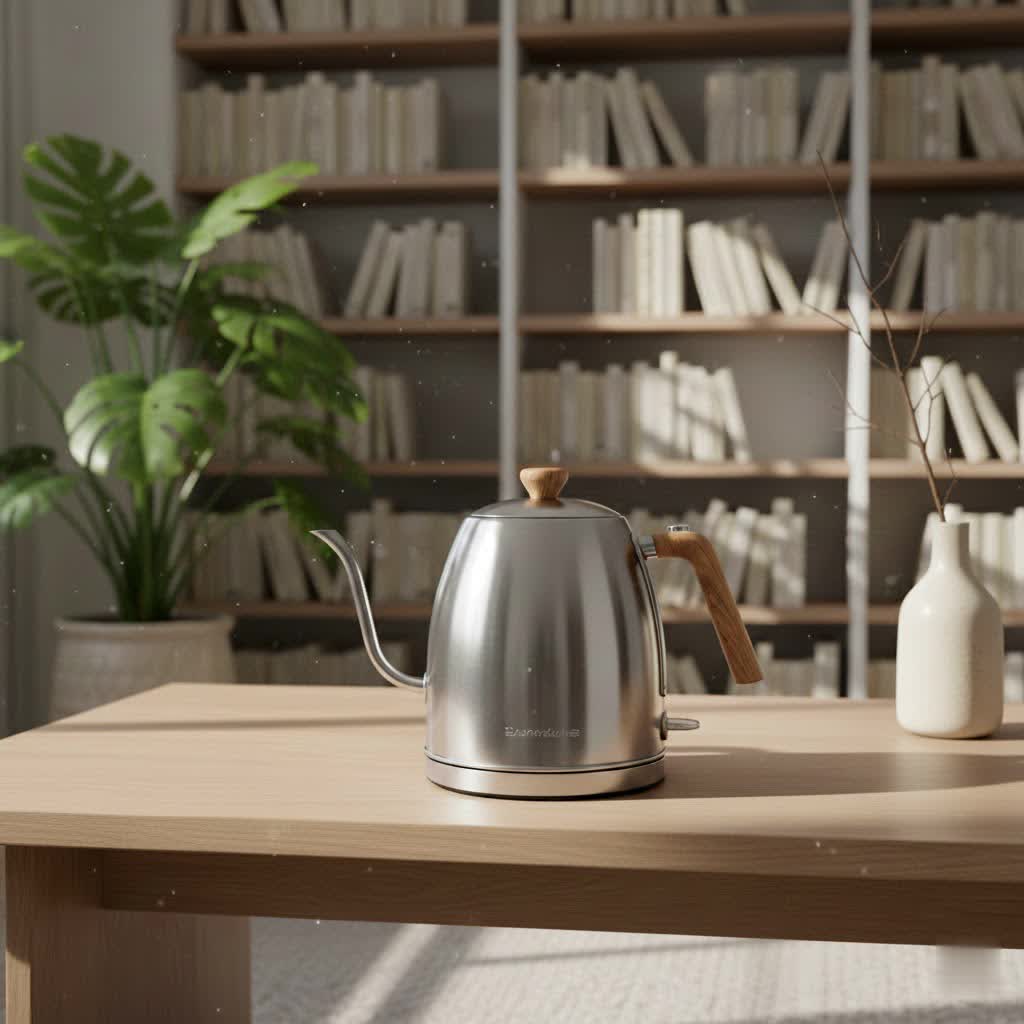
Why Choose a Non-Toxic Electric Kettle?
|
Our Picks for the Best Electric Kettle in 2026
As an Amazon Associate I earn from qualifying purchases.
|
||
| Num | Product | Action |
|---|---|---|
| 1 | Chefman Electric Kettle, 1.8L 1500W, Hot Water Boiler, Removable Lid for Easy Cleaning, Auto Shut Off, Boil-Dry Protection, Stainless Steel Filter, BPA Free, Borosilicate Glass Electric Tea Kettle |

|
| 2 | Amazon Basics Electric Kettle with Glass Carafe for Tea and Coffee, BPA-Free, Fast Boiling, Auto Shut-Off, 1.7 Liter, 1500W, Black and Silver |
|
| 3 | COSORI Electric Gooseneck Kettle with 5 Temperature Control Presets, Pour Over Kettle for Coffee & Tea, Hot Water Boiler, 100% Stainless Steel Inner Lid & Bottom, 1200W/0.8L |
|
| 4 | Amazon Basics Electric Kettle with Glass Carafe for Tea and Coffee, BPA-Free, Fast Boiling, Auto Shut-Off, 1 Liter, 1500W, Glass and Steel |
|
| 5 | Titanium Glass Electric Tea Kettle & Water Boiler - Dual Removable Tea Infusers, Steam Extraction, Aroma Lock ,11 Temp Settings, 12H Keep Warm, Boil Dry Protection, 1.2L 600W 120V US, BPA-Free |
|
| 6 | Chefman Electric Kettle with Temperature Control, 5 Presets LED Indicator Lights, Removable Tea Infuser, Glass Tea Kettle & Hot Water Boiler, 360° Swivel Base, BPA Free, Stainless Steel, 1.8 Liters |
|
| 7 | Cuisinart PerfecTemp 1.7-Liter Electric Kettle, Cordless Electric Tea Kettle, 1500W for Fast Heat-Up, 6 Preset Temperatures, 30-Minute Keep Warm, Stay Cool Nonslip Handle, CPK-17P1 |
|
| 8 | Cosori Electric Kettle, No Plastic Contact With Water, Wide Mouth For Easy Cleaning, Auto Shut Off, 1.7L Tea Kettle & Hot Water Boiler, Water Heater & Teapot, Borosilicate Glass, Black, 1500W |
|
| 9 | Amazon Basics Electric Stainless Steel Kettle for Tea and Coffee, BPA-Free, Fast Boiling, Auto Shut-Off, 1.7 Liter, 1500W, Black and Silver |
|
| 10 | OVENTE Electric Kettle, 1.7L Fast Boiling Water Heater for Coffee or Tea, BPA Free with Water Level Gauge, Auto Shut-Off, Boil-Dry Protection, Indicator Light and Removable Filter, White KP72W |
|
The pursuit of a healthier lifestyle often leads us to scrutinize the tools we use in our kitchens. An electric kettle is a staple in most homes, offering quick and convenient hot water. However, not all kettles are created equal when it comes to material safety. Opting for a non-toxic model provides significant advantages while addressing potential drawbacks of standard options.
Advantages of Non-Toxic Electric Kettles
- Enhanced Health Safety: The primary benefit is the elimination of harmful chemicals. Non-toxic kettles are typically free from BPA, BPS, BPF, phthalates, and lead, which are often found in plastic or lower-grade metal components. These chemicals can act as endocrine disruptors, potentially affecting hormonal balance and overall health.
- Pure Water Taste: Without plastic or reactive metals, your water maintains its natural, clean taste. Many users report a noticeable difference in the flavor of their beverages when switching to a non-toxic kettle, as there’s no unpleasant metallic or plastic aftertaste.
- Reduced Microplastic Exposure: Studies have shown that plastic kettles can release millions of microplastic particles into boiling water. Non-toxic alternatives made from glass or high-grade stainless steel significantly reduce or eliminate this exposure, contributing to better long-term health.
- Peace of Mind: Knowing that your kettle is made from safe, inert materials offers peace of mind with every use. You can enjoy your hot drinks without worrying about chemical contamination.
- Durability and Longevity: Kettles crafted from high-quality stainless steel or borosilicate glass are often more durable and built to last, providing excellent value over time.
Potential Considerations
- Higher Initial Cost: Non-toxic electric kettles, especially those made entirely from premium materials like 316 stainless steel or specialized borosilicate glass, can sometimes be more expensive than their plastic counterparts. However, this is an investment in your health and a product’s longevity.
- Fewer Design Options: While the market for non-toxic kettles is growing, there might be slightly fewer aesthetic variations compared to the vast range of conventional plastic models.
- Material Specific Nuances: Glass kettles, while inert, are more fragile than stainless steel and require careful handling. Stainless steel kettles may not allow you to see the water level as easily as transparent glass models.
Understanding Materials: The Core of Non-Toxic Kettles
The material of your electric kettle is the most critical factor in determining its safety. When choosing a non-toxic option, focus on kettles where the water-contacting surfaces are made from inert and stable materials.
Stainless Steel Electric Kettles
Food-grade stainless steel is widely regarded as one of the best and healthiest choices for electric kettles.
- Durability and Resistance: High-quality stainless steel, such as 18/8 (also known as 304 grade) or 18/10 (316 grade), is exceptionally durable, resistant to rust, corrosion, and everyday wear and tear. It can withstand bumps and drops better than glass.
- Chemical Inertness: Food-grade stainless steel is non-reactive, meaning it does not leach heavy metals like lead or cadmium into your water, even at high temperatures. It also won’t impart any metallic flavors, preserving the pure taste of your water.
- Heat Retention: Stainless steel is excellent at retaining heat, keeping water warm for longer periods after boiling. This can be beneficial for those who enjoy multiple cups of tea or coffee over time.
- Important Note: Ensure that all internal components, including the inner lid, spout, and any filters, are also made from food-grade stainless steel, as plastic parts in these areas can negate the benefits. Some individuals with nickel sensitivities might need to look for specific low-nickel stainless steel grades.
Borosilicate Glass Electric Kettles
Glass kettles offer transparency and are highly non-reactive, making them a popular choice for health-conscious consumers.
- Purity and Inertness: Borosilicate glass is an exceptionally stable material that does not leach chemicals or odors into water, ensuring a clean and unaltered taste. It’s the same type of glass used in laboratory equipment, known for its resistance to thermal shock.
- Visual Appeal: The transparent body allows you to see the water boiling, which can be both aesthetically pleasing and practical for monitoring water levels and cleanliness.
- No Metallic Taste: Glass provides a completely neutral environment, ensuring your water is free from any metallic aftertaste sometimes associated with lower-grade stainless steel.
- Important Note: While the body is glass, many glass kettles still feature plastic lids, spouts, or water level indicators that come into contact with the boiling water or steam. To be truly non-toxic, look for models where all water-contacting parts are also glass or high-grade stainless steel. Glass is also more fragile than stainless steel and can crack or shatter if dropped or subjected to extreme impacts.
Ceramic Electric Kettles
Ceramic kettles are less common in the electric format but can be a non-toxic option when properly sourced.
- Heat Retention: Ceramic materials are excellent at retaining heat, keeping water warm for extended periods.
- Chemical-Free: If made from lead- and cadmium-free ceramic, these kettles can be completely inert and safe, not leaching any substances into the water.
- Aesthetic Appeal: Ceramic kettles often boast a classic or artistic appearance, adding a decorative touch to the kitchen.
- Important Note: It’s crucial to verify that the ceramic is lead-free and cadmium-free, particularly in glazes, as some ceramic products can contain these harmful heavy metals. They also tend to be heavier and more fragile than stainless steel.
Why to Avoid Plastic Electric Kettles
Despite their affordability and widespread availability, plastic electric kettles pose several health concerns.
- Microplastic Release: When heated, plastic can degrade, releasing millions of microscopic plastic particles into the water you drink. The long-term effects of ingesting microplastics are still being studied but are a growing health concern.
- Chemical Leaching: Plastics, even those labeled “BPA-free,” can leach harmful chemicals such as BPS, BPF, and phthalates. These substances are known as endocrine disruptors, meaning they can interfere with your body’s hormonal system.
- Degradation and Bacteria: Plastic can scratch and crack over time, creating crevices where bacteria can accumulate, compromising hygiene.
Key Features to Look for in a Non-Toxic Electric Kettle
Beyond the primary material, several features contribute to both the safety and convenience of a non-toxic electric kettle.
Truly Plastic-Free Water Contact Points
This is paramount. Scrutinize product descriptions to ensure no plastic parts, including internal lids, water level windows, filters, or spouts, come into contact with boiling water or steam. Many kettles may have plastic exteriors or handles, which is generally acceptable as long as the internal components are safe.
Certifications and Quality Standards
Look for kettles that explicitly state certifications such as FDA approval, lead-free status, and the specific grade of stainless steel (e.g., 304 or 316). While “BPA-free” is a good start, be aware that substitute bisphenols like BPS and BPF can have similar detrimental effects. The best choice is to avoid plastic contact with water entirely.
Temperature Control
Many non-toxic electric kettles now offer variable temperature settings. This feature is ideal for brewing different types of teas and coffees that require specific water temperatures to extract optimal flavor without burning delicate leaves or beans.
Capacity
Consider your household’s needs.
- Mini (under 1 liter): Perfect for single users or small apartments, boiling just enough water for one or two cups.
- Medium (1-1.7 liters): The most common size, suitable for couples or small families, providing enough hot water for several servings.
- Large (over 1.7 liters): Ideal for larger families, entertaining guests, or when you frequently need significant amounts of hot water for cooking.
Safety Features
Modern electric kettles come equipped with essential safety mechanisms.
- Automatic Shut-off: The kettle automatically turns off once the water reaches boiling point or the set temperature, preventing overheating and saving energy.
- Boil-Dry Protection: This feature switches off the heating element if there’s insufficient water in the kettle, preventing damage to the appliance and potential fire hazards.
Design and Durability
While non-toxic materials are the priority, aesthetics and robust construction are also important. Choose a design that complements your kitchen and a kettle built with quality components for long-lasting performance.
Bảng so sánh các loại ấm đun nước điện [Electric Kettle] (Material Focus)
| Feature | Stainless Steel (Food-Grade) | Borosilicate Glass | Ceramic (Lead/Cadmium-Free) | Plastic (BPA-Free) |
|---|---|---|---|---|
| Durability | High (Resistant to dents, rust, corrosion) | Medium (Fragile, susceptible to cracks/shattering) | Medium (Fragile, susceptible to chips/cracks) | Low (Prone to scratches, warping, microplastic release) |
| Health Safety | Excellent (Non-leaching, no heavy metals) | Excellent (Inert, no chemical leaching, pure taste) | Excellent (If certified lead/cadmium-free) | Poor (Risk of microplastics, BPS/BPF leaching) |
| Aesthetics | Sleek, modern, industrial | Transparent, allows visibility of boiling water | Classic, artistic, wide color/texture range | Varied, can be lightweight |
| Heat Retention | Good (Keeps water warm longer) | Moderate (Cools down faster than stainless steel) | Good (Retains heat well) | Poor (Cools quickly) |
| Visibility | Low (Cannot see water level/cleanliness inside) | High (Clear view of water and interior) | Low (Cannot see water level/cleanliness inside) | Often includes water level window |
| Taste Impact | None (If high-grade) | None (Pure, neutral taste) | None (Pure, neutral taste) | Can impart plastic taste/odor |
| Price | Medium to High | Medium to High (Can be lower with plastic components) | High (Less common for electric, can be specialty) | Low |
Maintaining Your Non-Toxic Electric Kettle
Proper care ensures your non-toxic electric kettle remains safe and performs optimally for years.
- Initial Cleaning: Before first use, fill the kettle with water, boil it, and discard the water. Repeat this process 2-3 times to remove any manufacturing residues. Then, wash the interior with warm soapy water and rinse thoroughly.
- Regular Descaling: Mineral deposits (limescale) from hard water can build up inside kettles, affecting efficiency and potentially harboring bacteria. Descale your kettle monthly or as needed. A common method is to fill the kettle with equal parts white vinegar and water, let it sit for 30 minutes (or boil for heavy buildup), then rinse thoroughly several times. Lemon juice or specialized descaling solutions can also be used.
- Daily Cleaning: Rinse the kettle after each use. For glass kettles, wipe down the exterior to keep it sparkling. For stainless steel, a quick wipe with a damp cloth prevents water spots.
- Proper Storage: Store your kettle in a dry place. Ensure the lid is not sealed tightly immediately after use to allow any residual moisture to evaporate, preventing odors or mildew.
Top Non-Toxic Electric Kettle Recommendations
While specific models can vary by region and availability, here are examples of types that consistently meet non-toxic criteria, focusing on their material integrity:
- The All-Stainless Steel Interior Model: Look for kettles explicitly stating a “100% food-grade stainless steel interior,” covering the pot, lid, and spout. Brands like Saki Luna, Fabuletta, and certain COSORI stainless steel models are often cited for their commitment to plastic-free interiors.
- The Borosilicate Glass with Stainless Steel Accents: Choose glass kettles where any internal non-glass components (like the heating plate or filter frame) are made of high-grade stainless steel, and crucially, the lid’s interior is also stainless steel or glass. COSORI Borosilicate Glass Kettles are a popular choice when these conditions are met.
- The Gooseneck Stainless Steel Kettle: For pour-over coffee enthusiasts, gooseneck kettles made entirely of stainless steel, such as the Fellow Stagg EKG or Willow & Everett Gooseneck Electric Kettle (where water contact is only stainless steel), offer precision pouring without compromising on safety.
These recommendations emphasize product types where manufacturers prioritize non-toxic materials throughout the water-contacting path. Always check the latest product specifications to confirm the exact materials used for all internal parts.
Conclusion
Choosing a non-toxic electric kettle is a vital step towards creating a healthier kitchen environment and ensuring the purity of your drinking water. By prioritizing models made from food-grade stainless steel or borosilicate glass with truly plastic-free interiors, you can effectively avoid harmful chemicals, microplastics, and metallic tastes. This investment not only enhances your well-being but also provides a durable, reliable appliance for years to come. Take control of what goes into your cup, and empower yourself with the knowledge to make an informed choice for your home. What will be the first pure, chemical-free beverage you enjoy from your new non-toxic electric kettle?
Frequently Asked Questions
Are all “BPA-free” electric kettles truly non-toxic?
Not necessarily. While BPA-free labels indicate the absence of Bisphenol A, many manufacturers use similar chemicals like BPS or BPF as substitutes, which can also be endocrine disruptors. For genuine non-toxicity, it’s best to choose kettles where water never touches any plastic, regardless of its “BPA-free” status, opting instead for all stainless steel or glass interiors.
Can stainless steel electric kettles leach nickel into water?
High-quality food-grade stainless steel (like 18/8 or 304/316) is designed to be highly stable and minimize leaching. While trace amounts of nickel are present in some stainless steel alloys, it is generally considered safe for most people. Individuals with severe nickel allergies may wish to consult their doctor or seek out specialty products that specify very low or no nickel content.
How often should I descale my non-toxic electric kettle?
The frequency of descaling depends on the hardness of your water and how often you use the kettle. For areas with hard water or daily use, descaling once a month is a good practice. If your water is softer or you use the kettle less frequently, every two to three months might suffice. Regular descaling maintains efficiency and cleanliness.
Is a glass electric kettle safer than a stainless steel one?
Both high-quality borosilicate glass and food-grade stainless steel are considered safe and non-toxic for boiling water, as they do not leach chemicals. The choice often comes down to personal preference for aesthetics (seeing water boil in glass) versus durability (stainless steel is less prone to breakage). The key is ensuring all water-contacting internal parts in either material are free from plastic.
Can I boil milk or other beverages in my non-toxic electric kettle?
Electric kettles are primarily designed for boiling water. Boiling milk or other beverages is generally not recommended as it can lead to scorching, residue buildup, and potential damage to the heating element. It also makes cleaning much more difficult and can leave odors or flavors that affect subsequent water boils.
