Imagine the satisfying comfort of a warm cup of tea or instant coffee, ready in a flash, no stove required. Electric Tea Kettles have revolutionized the way we heat water, transforming a simple daily ritual into an effortless experience. But with countless models, materials, and features available, choosing the perfect electric tea kettle can feel overwhelming. This comprehensive guide will navigate you through the world of electric tea kettles, helping you understand their benefits, different types, and how to select one that perfectly fits your lifestyle, ensuring you brew perfection with ease every single time.
Advantages and Disadvantages of Electric Tea Kettles
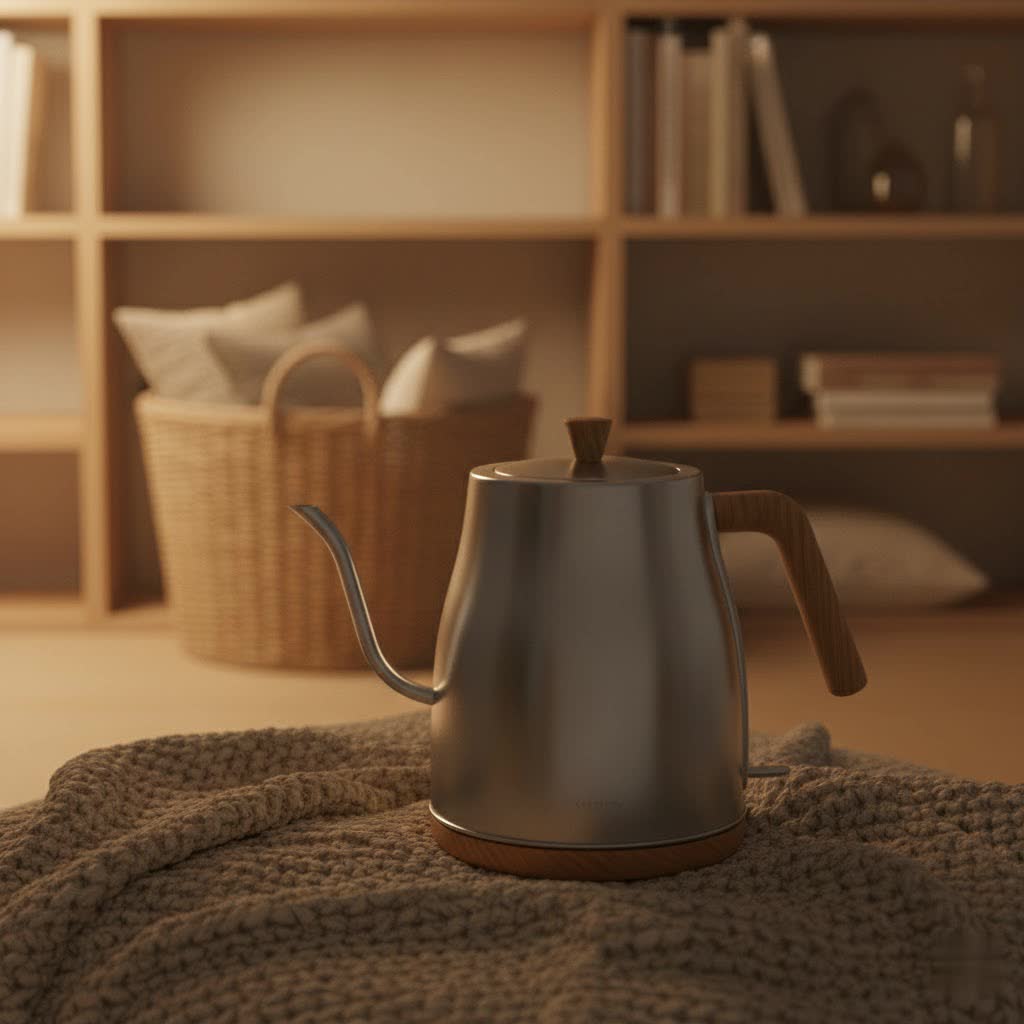
Electric tea kettles have become a staple in many kitchens, prized for their efficiency and user-friendly design. However, like any appliance, they come with their own set of pros and cons. Understanding these can help you make an informed decision.
Advantages
Electric kettles offer a significant upgrade over traditional stovetop models, primarily in terms of convenience.
- Speed and Convenience: Electric kettles heat water significantly faster than stovetop kettles, often boiling a full liter in just a few minutes. Their cordless design also means you can easily move them from the base to your countertop or table for serving.
- Safety Features: Modern electric kettles are designed with safety in mind. Most include automatic shut-off features that activate once the water boils or if the kettle runs dry, preventing accidents and overheating. Cool-touch exteriors and sturdy handles also reduce the risk of burns.
- Variety in Design and Function: From sleek stainless steel to elegant glass and vibrant ceramic, electric kettles come in a vast array of designs to complement any kitchen aesthetic. Beyond basic boiling, many models offer advanced functions like variable temperature control, keep-warm settings, and even smart home integration.
- Easy to Clean: The smooth interiors of most electric kettles, especially those made of glass or stainless steel, are relatively simple to wipe down. Descaling is also a straightforward process, ensuring your kettle remains hygienic and efficient over time.
|
Our Picks for the Best Electric Kettle in 2026
As an Amazon Associate I earn from qualifying purchases.
|
||
| Num | Product | Action |
|---|---|---|
| 1 | COSORI Electric Gooseneck Kettle with 5 Temperature Control Presets, Pour Over Kettle for Coffee & Tea, Hot Water Boiler, 100% Stainless Steel Inner Lid & Bottom, 1200W/0.8L |

|
| 2 | Chefman Electric Kettle, 1.8L 1500W, Hot Water Boiler, Removable Lid for Easy Cleaning, Auto Shut Off, Boil-Dry Protection, Stainless Steel Filter, BPA Free, Borosilicate Glass Electric Tea Kettle |
|
| 3 | Amazon Basics Electric Kettle with Glass Carafe for Tea and Coffee, BPA-Free, Fast Boiling, Auto Shut-Off, 1.7 Liter, 1500W, Black and Silver |
|
| 4 | Cuisinart PerfecTemp 1.7-Liter Electric Kettle, Cordless Electric Tea Kettle, 1500W for Fast Heat-Up, 6 Preset Temperatures, 30-Minute Keep Warm, Stay Cool Nonslip Handle, CPK-17P1 |
|
| 5 | Amazon Basics Electric Kettle with Glass Carafe for Tea and Coffee, BPA-Free, Fast Boiling, Auto Shut-Off, 1 Liter, 1500W, Glass and Steel |
|
| 6 | Amazon Basics Electric Stainless Steel Kettle for Tea and Coffee, BPA-Free, Fast Boiling, Auto Shut-Off, 1.7 Liter, 1500W, Black and Silver |
|
| 7 | OVENTE Electric Kettle, 1.7L Fast Boiling Water Heater for Coffee or Tea, BPA Free with Water Level Gauge, Auto Shut-Off, Boil-Dry Protection, Indicator Light and Removable Filter, White KP72W |
|
| 8 | Titanium Glass Electric Tea Kettle & Water Boiler - Dual Removable Tea Infusers, Steam Extraction, Aroma Lock ,11 Temp Settings, 12H Keep Warm, Boil Dry Protection, 1.2L 600W 120V US, BPA-Free |
|
| 9 | Chefman Electric Kettle with Temperature Control, 5 Presets LED Indicator Lights, Removable Tea Infuser, Glass Tea Kettle & Hot Water Boiler, 360° Swivel Base, BPA Free, Stainless Steel, 1.8 Liters |
|
| 10 | Cosori Electric Kettle, No Plastic Contact With Water, Wide Mouth For Easy Cleaning, Auto Shut Off, 1.7L Tea Kettle & Hot Water Boiler, Water Heater & Teapot, Borosilicate Glass, Black, 1500W |
|
Disadvantages
While highly beneficial, electric kettles do have a few drawbacks to consider.
- Power Consumption: While they boil quickly, electric kettles can draw a significant amount of power during their operation. This might be a concern for those mindful of their electricity usage, though the short boiling time often mitigates the overall impact.
- Potential Noise: Some electric kettles, particularly those with higher wattage, can produce a noticeable boiling noise. While generally not excessively loud, it can be a minor annoyance for some users in quiet environments.
- Higher Cost for Advanced Models: Basic electric kettles are quite affordable, but models with advanced features like precise temperature control, larger capacities, or premium materials can come with a higher price tag. This initial investment might be a consideration for budget-conscious buyers.
Types of Electric Tea Kettles
Electric tea kettles are far from one-size-fits-all. They are categorized by various factors, including the material they are made from, their capacity, and the specific functions they offer, each impacting performance, durability, and aesthetics.
By Material
The material of an electric kettle affects its safety, durability, and how it looks in your kitchen.
- Stainless Steel Kettles: These are popular for their durability, resistance to rust, and sleek, modern appearance. Stainless steel is food-grade, ensuring no contaminants leach into your water, and kettles often feature double-wall insulation for better heat retention and a cooler exterior.
- Glass Kettles: Offering a beautiful, clear view of the boiling water, glass kettles are aesthetically pleasing and allow you to see exactly when your water is ready. They are also known for being inert, meaning they won’t impart any flavors or odors to the water, providing a pure taste.
- Plastic Kettles: Often the most budget-friendly option, plastic kettles are lightweight and come in a variety of colors. When choosing a plastic kettle, it’s crucial to look for “BPA-free” models to ensure safety and avoid potential chemical leaching, especially with hot water.
- Ceramic Kettles: These kettles offer a unique, often artisanal look that can serve as a decorative piece in your kitchen. Ceramic is also a good insulator, keeping water hot for longer, and it’s a naturally inert material that doesn’t affect water taste. However, they can be heavier and more fragile than other types.
By Capacity
The right capacity depends on your household size and how often you need hot water.
- Mini Kettles (Under 1 Liter): Perfect for individuals living alone, small households, or travelers. These compact kettles are ideal for brewing one or two cups of tea or coffee at a time, saving counter space and reducing energy waste from boiling too much water.
- Medium Kettles (1-1.7 Liters): This is the most common capacity range, suitable for average-sized families and daily use. A 1.7-liter kettle can typically boil enough water for several mugs of beverages or for cooking purposes like pasta or oatmeal.
- Large Kettles (Over 1.7 Liters): Designed for large families, entertaining guests, or offices. These high-capacity kettles ensure you always have enough hot water on hand, minimizing the need for multiple refills and re-boiling.
By Function
Beyond basic boiling, many electric kettles come with specialized features that enhance their utility.
- Standard Boiling Kettles: These are straightforward kettles that simply boil water to 212°F (100°C) and then automatically shut off. They are reliable, easy to use, and often the most affordable option for those who just need hot water quickly.
- Kettles with Keep Warm Function: Ideal for those who enjoy multiple cups of hot beverages over a period. This feature maintains the water at a set temperature for a certain duration, eliminating the need to re-boil and saving time.
- Kettles with Timer Function: Some advanced models allow you to program when the kettle should start boiling. This means you can wake up to perfectly hot water ready for your morning brew, adding a layer of convenience to your routine.
- Smart Electric Kettles: These kettles can connect to your smartphone or smart home system, offering remote control over boiling, temperature settings, and scheduling. They provide ultimate convenience and customization for tech-savvy users, integrating seamlessly into a modern smart kitchen.
Comparison Table: Electric Tea Kettle Materials
Choosing the right material for your electric tea kettle involves balancing durability, safety, aesthetics, and cost. This table offers a quick comparison to guide your decision.
| Feature | Stainless Steel | Glass | Plastic | Ceramic |
|---|---|---|---|---|
| Durability | High | Medium (prone to breaking if dropped) | Low (can crack or degrade over time) | Medium (can chip or break if dropped) |
| Safety | High (food-grade, no leaching) | High (inert, no leaching) | Varies by plastic type (look for BPA-free) | High (inert, no leaching) |
| Aesthetics | Moderate (sleek, modern) | High (elegant, allows visibility) | Low (can look cheap) | High (unique, decorative) |
| Price | Medium | Medium | Low | High |
How to Choose the Right Electric Tea Kettle
Selecting the perfect electric tea kettle involves more than just picking the first one you see. By considering your specific needs, researching reputable brands, and comparing options, you can find a kettle that provides years of reliable service.
Identify Your Usage Needs
Start by assessing how you intend to use the kettle most often. This will narrow down your choices considerably.
- Appropriate Capacity: Consider how many people will be using the kettle and for what purpose. A single person might be fine with a 1-liter kettle, while a family of four or frequent entertainers will benefit from a 1.7-liter or larger model.
- Safe Material: Prioritize safety. Stainless steel and glass are generally considered the safest options, as they do not leach chemicals into water. If opting for plastic, always ensure it is certified “BPA-free” to avoid potential health concerns.
- Essential Functions: Do you need simple boiling, or would you benefit from advanced features? Variable temperature control is crucial for tea connoisseurs, while a keep-warm function is great for busy mornings. Don’t pay for features you won’t use.
Research Reputable Brands
Investing in a well-known brand often ensures better quality, reliability, and customer support.
- Philips: Known for innovative designs and durable kitchen appliances.
- Panasonic: Offers reliable and user-friendly electric kettles with good safety features.
- Electrolux: Provides a range of stylish and efficient kettles, often focusing on minimalist design.
- Cuisinart, KitchenAid, Breville: These brands are highly regarded for their high-quality kitchen appliances, often featuring robust construction and advanced functionalities like precise temperature control for specific tea types. Their products tend to be reliable and come with excellent warranties.
Compare Prices and User Reviews
Once you have a few options in mind, it’s time to dig deeper before making a purchase.
- Online Retailers: Websites like Amazon, Best Buy, and other major electronics retailers offer a vast selection, competitive pricing, and often free shipping. They also allow for easy comparison of specifications.
- Read Product Reviews: User reviews provide invaluable real-world insights into a kettle’s performance, durability, and any potential flaws. Look for consistent feedback regarding boiling speed, noise levels, and how easy it is to clean.
Tips for Using Your Electric Tea Kettle
Proper usage and maintenance can significantly extend the lifespan of your electric tea kettle and ensure it continues to perform optimally. Following these simple guidelines will keep your kettle in top condition.
- Fill with Adequate Water: Always fill your kettle between the minimum and maximum fill lines indicated inside. Overfilling can cause hot water to spill during boiling, posing a burn hazard. Underfilling can lead to the kettle boiling dry and potentially damaging the heating element.
- Regular Cleaning: Limescale buildup, especially in hard water areas, can reduce your kettle’s efficiency and even affect water taste. Regularly descale your kettle using a mixture of white vinegar and water, or a specialized descaling solution. Aim to do this every 1-3 months, depending on your water hardness.
- Avoid Harsh Cleaners: Do not use abrasive scouring pads, steel wool, or harsh chemical detergents to clean your kettle, as these can scratch or damage the interior and exterior finishes. A soft cloth and mild dish soap are usually sufficient for exterior cleaning.
- Proper Storage: Store your electric kettle in a dry place when not in use. Ensure the base and cord are kept away from water or excessive moisture to prevent electrical hazards. Always unplug the kettle from the power outlet when cleaning or storing.
Top Electric Tea Kettle Models
Selecting a top model often comes down to balancing features, aesthetics, and budget. Here are some categories and examples of types of popular electric tea kettles that consistently receive high ratings for performance and user satisfaction.
- Variable Temperature Control Kettle: Ideal for tea enthusiasts who require specific temperatures for different tea types (e.g., green tea at 175°F, black tea at 205°F). Models like the Breville Smart Kettle or Cuisinart PerfecTemp are highly rated for their precision.
- Fast Boil Stainless Steel Kettle: For those who prioritize speed and durability, a high-wattage stainless steel kettle is a perfect choice. Many Philips and Panasonic models are known for their rapid boiling capabilities and robust construction.
- Elegant Glass Design Kettle: If aesthetics and a pure water taste are your top concerns, a glass kettle with blue LED illumination during boiling can be a stunning addition to your kitchen. Brands like Miroco or Cosori offer popular and reliable glass options.
“An electric tea kettle isn’t just a convenience; it’s an essential tool for any tea lover, unlocking the subtle flavors of different tea leaves through precise temperature control.” – Sarah Chen, Certified Tea Sommelier
Conclusion
Choosing the right electric tea kettle can significantly enhance your daily routine, bringing speed, safety, and specialized features to your kitchen. From the lightning-fast boil of a stainless steel model to the elegant aesthetics of a glass kettle with variable temperature control, there’s a perfect electric tea kettle out there for every need and preference. By considering material, capacity, specific functions, and user reviews, you can confidently select a kettle that not only serves its purpose but also complements your lifestyle. Don’t settle for anything less than brewing perfection. Which electric tea kettle feature do you find most indispensable for your daily cup?
Frequently Asked Questions
Are electric kettles energy efficient?
Electric kettles are generally more energy-efficient than stovetop kettles because they heat water directly and precisely to a set temperature, often with automatic shut-off, reducing wasted energy. However, power consumption varies by wattage and how efficiently the kettle is insulated.
How often should I descale my electric kettle?
The frequency of descaling depends on the hardness of your water and how often you use the kettle. In areas with hard water, descaling every 1-3 months is recommended. In soft water areas, every 6 months might suffice to maintain efficiency and prevent mineral buildup.
Is it safe to leave water in an electric kettle?
It is generally safe to leave water in an electric kettle for short periods, but it’s not ideal. Stagnant water can encourage limescale buildup, and some people prefer to use fresh water for each boil to ensure the purest taste. Always empty the kettle if it won’t be used for an extended period.
What’s the best material for an electric kettle?
The “best” material depends on your priorities. Stainless steel is durable and safe, glass offers aesthetic appeal and purity, plastic is affordable (ensure it’s BPA-free), and ceramic provides a unique look and good insulation. Each has its advantages.
Can I boil milk in an electric kettle?
Most electric kettles are designed specifically for boiling water and are not recommended for heating milk. Milk can scorch, leave residue, and be difficult to clean, potentially damaging the heating element and voiding your warranty. Use a saucepan on a stove for heating milk.
