Imagine starting your day with a perfectly brewed cup of tea or quickly preparing a comforting bowl of oatmeal. This daily ritual hinges on one essential appliance: the electric tea kettle. More than just a simple water boiler, today’s electric kettles offer a blend of speed, safety, and precision that can elevate your hot beverage experience. If you’re navigating the crowded market of kitchen appliances, searching for the ideal electric kettle that aligns with your needs and preferences, you’ve come to the right place. This comprehensive guide will explore everything you need to know, from key features and types to top models and essential buying tips, ensuring you find the Best Rated Electric Tea Kettle for your home.
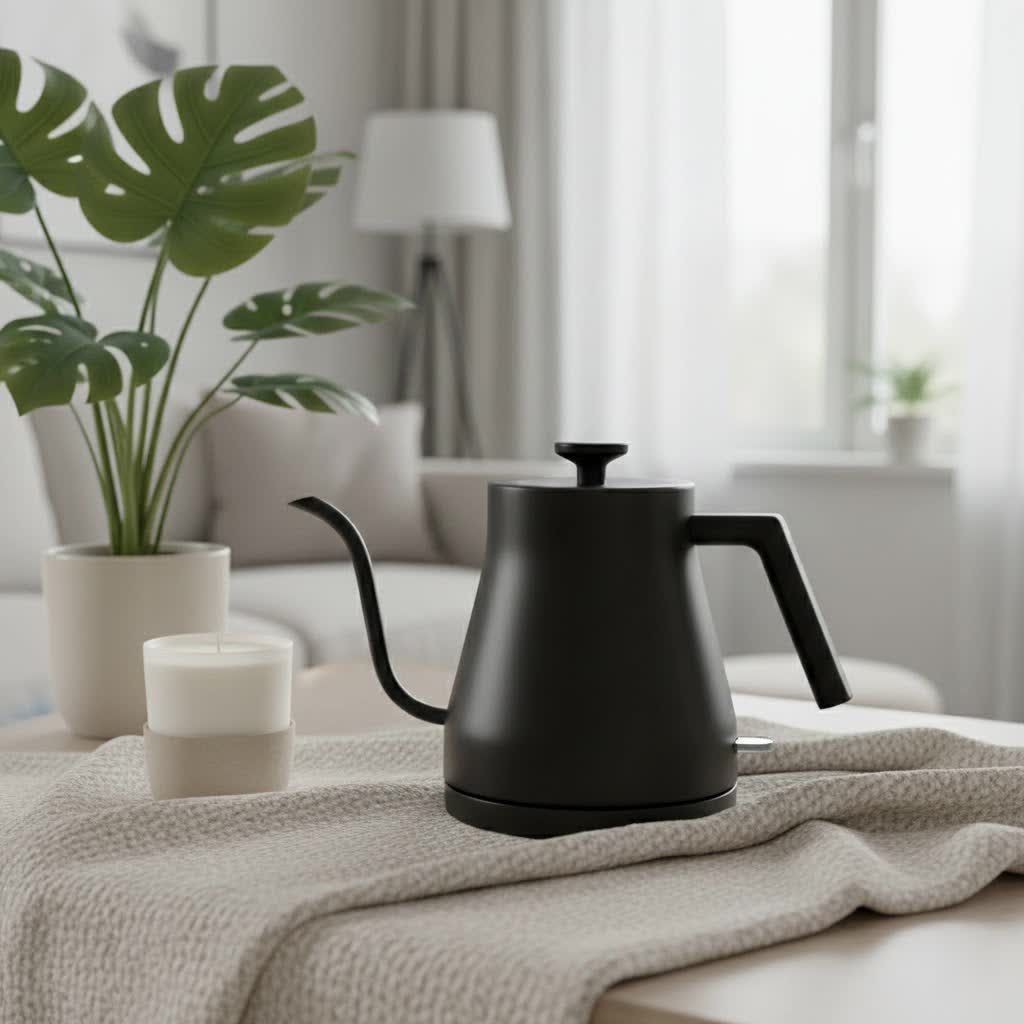
Advantages and Disadvantages of Electric Kettles
Electric kettles have become indispensable in modern kitchens, but like any appliance, they come with their own set of pros and cons. Understanding these can help you appreciate their value and manage expectations.
Advantages
- Speed and Convenience: Electric kettles heat water significantly faster than stovetop kettles. Many models can bring several cups of water to a rolling boil in under five minutes, making them ideal for busy mornings or quick meal prep. This rapid heating is due to their efficient heating elements.
- Enhanced Safety: Equipped with features like automatic shut-off and boil-dry protection, electric kettles are inherently safer. They turn off once water reaches boiling point or if the kettle is accidentally switched on without water, preventing overheating and potential hazards.
- Diverse Models and Functions: The market offers an extensive range of electric kettles, from basic models to advanced ones with variable temperature control, keep-warm functions, and even smart features. This variety allows users to select a kettle tailored to specific needs, such as brewing delicate teas that require precise temperatures.
- Effortless Cleaning: Most electric kettles are designed for easy maintenance, often featuring wide openings and removable filters that simplify descaling and regular cleaning.
|
Our Picks for the Best Electric Kettle in 2026
As an Amazon Associate I earn from qualifying purchases.
|
||
| Num | Product | Action |
|---|---|---|
| 1 | OVENTE Electric Kettle, 1.7L Fast Boiling Water Heater for Coffee or Tea, BPA Free with Water Level Gauge, Auto Shut-Off, Boil-Dry Protection, Indicator Light and Removable Filter, White KP72W |

|
| 2 | Amazon Basics Electric Stainless Steel Kettle for Tea and Coffee, BPA-Free, Fast Boiling, Auto Shut-Off, 1.7 Liter, 1500W, Black and Silver |
|
| 3 | COSORI Electric Gooseneck Kettle with 5 Temperature Control Presets, Pour Over Kettle for Coffee & Tea, Hot Water Boiler, 100% Stainless Steel Inner Lid & Bottom, 1200W/0.8L |
|
| 4 | Chefman Electric Kettle with Temperature Control, 5 Presets LED Indicator Lights, Removable Tea Infuser, Glass Tea Kettle & Hot Water Boiler, 360° Swivel Base, BPA Free, Stainless Steel, 1.8 Liters |
|
| 5 | Amazon Basics Electric Kettle with Glass Carafe for Tea and Coffee, BPA-Free, Fast Boiling, Auto Shut-Off, 1.7 Liter, 1500W, Black and Silver |
|
| 6 | Cosori Electric Kettle, No Plastic Contact With Water, Wide Mouth For Easy Cleaning, Auto Shut Off, 1.7L Tea Kettle & Hot Water Boiler, Water Heater & Teapot, Borosilicate Glass, Black, 1500W |
|
| 7 | Cuisinart PerfecTemp 1.7-Liter Electric Kettle, Cordless Electric Tea Kettle, 1500W for Fast Heat-Up, 6 Preset Temperatures, 30-Minute Keep Warm, Stay Cool Nonslip Handle, CPK-17P1 |
|
| 8 | Amazon Basics Electric Kettle with Glass Carafe for Tea and Coffee, BPA-Free, Fast Boiling, Auto Shut-Off, 1 Liter, 1500W, Glass and Steel |
|
| 9 | Chefman Electric Kettle, 1.8L 1500W, Hot Water Boiler, Removable Lid for Easy Cleaning, Auto Shut Off, Boil-Dry Protection, Stainless Steel Filter, BPA Free, Borosilicate Glass Electric Tea Kettle |
|
| 10 | Titanium Glass Electric Tea Kettle & Water Boiler - Dual Removable Tea Infusers, Steam Extraction, Aroma Lock ,11 Temp Settings, 12H Keep Warm, Boil Dry Protection, 1.2L 600W 120V US, BPA-Free |
|
Disadvantages
- Energy Consumption: While efficient in heating, electric kettles do consume electricity. High-wattage models can contribute to household energy use, especially with frequent use.
- Potential for Noise: Some electric kettles, particularly those with powerful heating elements or older designs, can produce a noticeable amount of noise during the boiling process.
- Higher Initial Cost: While budget-friendly options exist, high-end electric kettles with advanced features like variable temperature control and durable materials can have a higher upfront cost compared to basic stovetop kettles.
Classifying Electric Tea Kettles
Electric tea kettles come in various forms, each offering distinct characteristics that cater to different user preferences and aesthetic desires.
By Material
The material of an electric kettle impacts its durability, heat retention, and overall look.
- Stainless Steel Kettles: Known for their robust construction and modern aesthetic, stainless steel kettles are highly durable and generally excellent at retaining heat. They are a popular choice for their longevity and easy maintenance.
- Glass Kettles: These kettles offer a visually appealing experience, allowing you to watch the water boil. Made from borosilicate glass, they are generally considered safe as glass does not leach chemicals into the water. However, they may not retain heat as well as insulated stainless steel models and are more susceptible to breakage.
- Plastic Kettles: Often the most affordable option, plastic kettles are lightweight and come in a wide array of colors and designs. When choosing a plastic kettle, it’s crucial to ensure it is BPA-free to avoid potential chemical concerns. They typically offer less heat retention.
- Ceramic Kettles: Ceramic kettles boast a charming, traditional appearance, making them a decorative addition to any kitchen. They tend to be heavier and more fragile than other types but offer good heat retention and are free from metallic or plastic taste transfer.
By Capacity
Selecting the right capacity ensures you always have enough hot water without unnecessary refills or wasted energy.
- Mini Kettles (Under 1 Liter): Perfect for individuals or small households, these compact kettles are ideal for brewing one or two cups of tea or coffee at a time, saving counter space and minimizing energy use.
- Medium Kettles (1-1.7 Liters): The most common size, these kettles are versatile enough for couples or small families, suitable for multiple servings of hot beverages or for cooking tasks.
- Large Kettles (Over 1.7 Liters): Designed for larger families, entertaining guests, or tasks requiring significant amounts of hot water, these kettles minimize the need for multiple heating cycles.
By Function
Beyond simply boiling water, many electric kettles offer specialized functions for a more customized experience.
- Standard Boiling Kettles: These are straightforward, single-function kettles that quickly bring water to a boil and often feature an automatic shut-off. They are ideal for users who primarily need boiling water for black teas, instant coffee, or cooking.
- Kettles with Keep-Warm Function: A convenient feature that maintains the water at a set temperature for an extended period, typically 30 to 60 minutes, perfect for multiple cups of tea or coffee throughout an hour.
- Programmable Temperature Kettles (Variable Temperature): Essential for tea connoisseurs and pour-over coffee enthusiasts, these kettles allow you to select specific temperatures (e.g., 175°F for green tea, 200°F for French press). This precision prevents “burning” delicate tea leaves and ensures optimal flavor extraction.
- Gooseneck Kettles: Characterized by their long, slender spout, gooseneck kettles provide exceptional pouring control, making them a favorite for pour-over coffee and specific tea brewing methods where a steady, controlled flow is crucial.
- Smart Kettles: Some advanced models integrate with smart home systems, allowing remote control via apps or voice commands, and offering features like scheduling boil times.
Comparison Table of Electric Kettle Materials
| Feature | Stainless Steel | Glass | Plastic | Ceramic |
|---|---|---|---|---|
| Durability | High | Medium | Low | Medium |
| Safety (Chemicals) | High | High | Depends on plastic (BPA-free recommended) | High |
| Aesthetics | Modern/Sleek | Elegant/Visual | Varied/Basic | Traditional/Decorative |
| Heat Retention | High | Medium | Low | High |
| Price | Medium | Medium | Low | High |
How to Choose the Right Electric Tea Kettle
Selecting the best electric tea kettle involves more than just picking a pretty design. Consider these factors to find a kettle that perfectly matches your lifestyle.
Determine Your Usage Needs
Start by evaluating how you plan to use the kettle.
- Appropriate Capacity: For a single user or small household, a mini (under 1 liter) or medium (1-1.7 liters) kettle is sufficient. Larger families or frequent entertainers will benefit from a kettle over 1.7 liters.
- Safe Material: Prioritize materials like stainless steel or borosilicate glass for health and durability. If opting for plastic, always ensure it is certified BPA-free.
- Essential Functions: If you brew different types of tea or pour-over coffee, variable temperature control is a must. A “keep warm” function is convenient for those who enjoy multiple cups over time. Basic boil kettles are perfect for quick, no-fuss hot water.
Research Reputable Brands
Invest in quality from trusted manufacturers known for reliability and customer satisfaction. Leading brands in the electric kettle market include Breville, Fellow, OXO, Cuisinart, Cosori, and Zwilling. These brands are often recognized for their innovative features, durable construction, and consistent performance.
Compare Prices and User Reviews
Before making a purchase, compare models across different retailers and read comprehensive user reviews. Pay attention to feedback regarding boiling speed, temperature accuracy, ease of use, durability, and customer service. Online forums and product review sites can provide valuable insights into real-world performance.
Tips for Using Your Electric Tea Kettle
Proper use and maintenance will extend the lifespan of your electric tea kettle and ensure optimal performance.
- Fill Appropriately: Always fill your kettle between the minimum and maximum fill lines. Overfilling can lead to boiling water splashing out, while underfilling can cause the kettle to boil dry, potentially damaging the heating element.
- Regular Cleaning and Descaling: Mineral deposits (scale) from hard water can build up inside your kettle over time, affecting performance and taste. Descale your kettle regularly, typically once a month, using a descaling solution or a natural mixture of water and white vinegar.
- Avoid Harsh Cleaners: Do not use abrasive cleaners or scouring pads, as these can scratch the kettle’s interior or exterior. A soft cloth with mild dish soap is usually sufficient for external cleaning.
- Proper Storage: Store your kettle in a dry place when not in use. Ensure the cord is neatly wrapped or stored if your model has cord storage, to prevent damage.
Top Rated Electric Tea Kettles
Based on extensive testing and user feedback, several models consistently stand out for their performance, features, and value.
- Breville Smart Kettle Luxe: Praised for its fast boiling, precise temperature settings with helpful presets for different beverages, and intuitive controls, making it a top choice for versatility and ease of use.
- Fellow Stagg EKG Pro Electric Gooseneck Kettle: A favorite among pour-over coffee enthusiasts and tea lovers seeking ultimate control. It offers a wide range of temperature settings and an elegant gooseneck spout for precise pouring.
- OXO Brew Adjustable Temperature Kettle: Known for its user-friendly dial control, accurate temperature regulation, and sturdy glass construction, providing both functionality and visual appeal at a reasonable price point.
- Zwilling Enfinigy Cool Touch Electric Kettle Pro: Combines a sleek design with advanced features like programmed temperature settings, a large capacity, and a “cool touch” exterior for added safety.
- Cosori Electric Gooseneck Kettle: Offers excellent value for a gooseneck kettle, providing accurate temperature control and a comfortable design, making it a budget-friendly option for specific brewing needs.
“A precise temperature setting is not a luxury; it’s a necessity for unlocking the true flavors of diverse teas, from delicate greens to robust blacks.”
Conclusion
Choosing the best rated electric tea kettle means finding a balance between your individual needs, desired features, and budget. From the rapid boiling of standard models to the meticulous temperature control of advanced options, there’s a kettle designed to enhance your hot beverage ritual. Consider material, capacity, and functional features like temperature control and keep-warm settings to make an informed decision. By prioritizing quality and aligning your choice with your lifestyle, you’ll be well on your way to enjoying perfectly heated water for every cup. What kind of tea will you brew first with your new electric kettle?
Frequently Asked Questions
How long does an electric kettle typically last?
With proper care and regular descaling to prevent mineral buildup, a good quality electric kettle can last for several years. Lifespan often depends on material quality and frequency of use, but consistent maintenance significantly contributes to its longevity.
Is a variable temperature electric kettle worth the extra cost?
For tea aficionados, coffee connoisseurs, or anyone who frequently prepares specialized hot beverages, a variable temperature kettle is highly recommended. Different teas and coffees require specific water temperatures to prevent bitterness or under-extraction, making the precise control invaluable for optimal flavor.
